Landing pages · service and explanation
A landing page is not a small website. It is one page with one job.
A landing page is a standalone page you send people to from a single source, built around a single goal. This page explains what belongs on one, how it differs from a microsite and from an ordinary page of your website, and how we build them — useful even if you have someone else build yours.
Ask about a landing pageWhat a landing page is
A landing page is a standalone page you send visitors to from one source — an ad, an email, a QR code, a social post — and which has a single goal. The name is literal: it is where someone lands, not a junction they set off from.
What separates it from a normal page of a website is what it leaves out. A normal page offers navigation, related links and everything else the company does. A landing page offers nothing but the one thing the visitor came for, because every extra option is a chance to leave.
What a landing page has to have
- 01
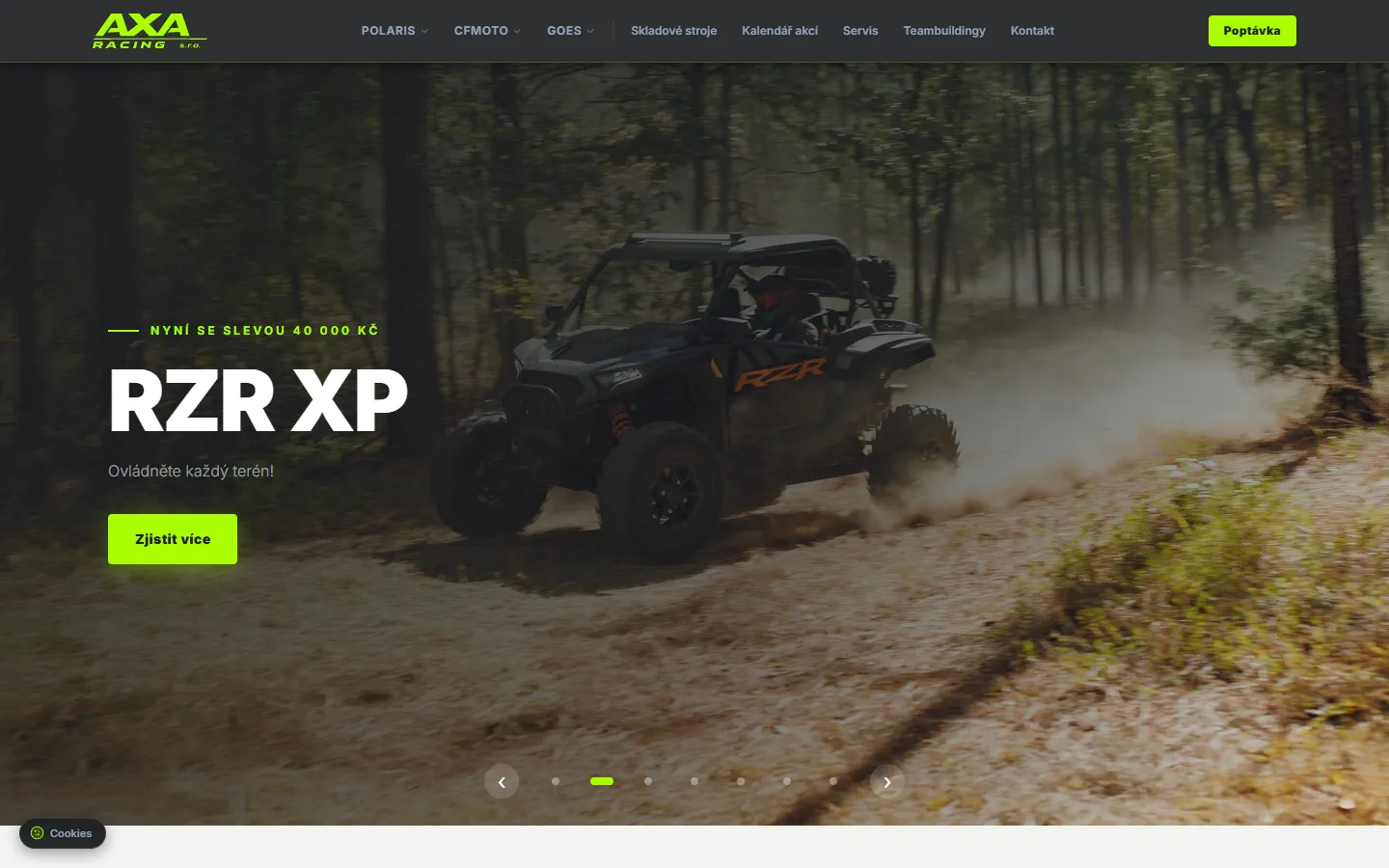
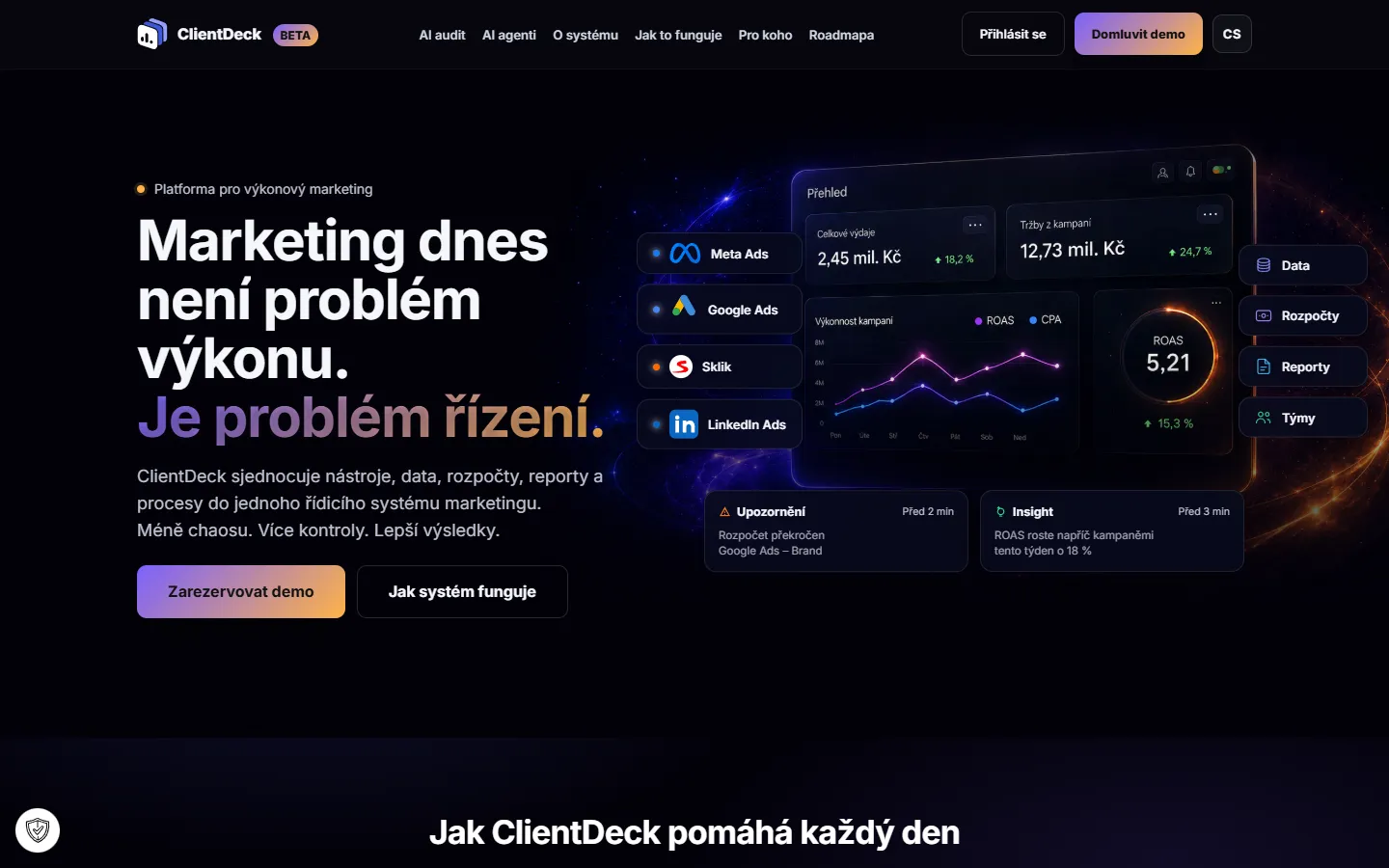
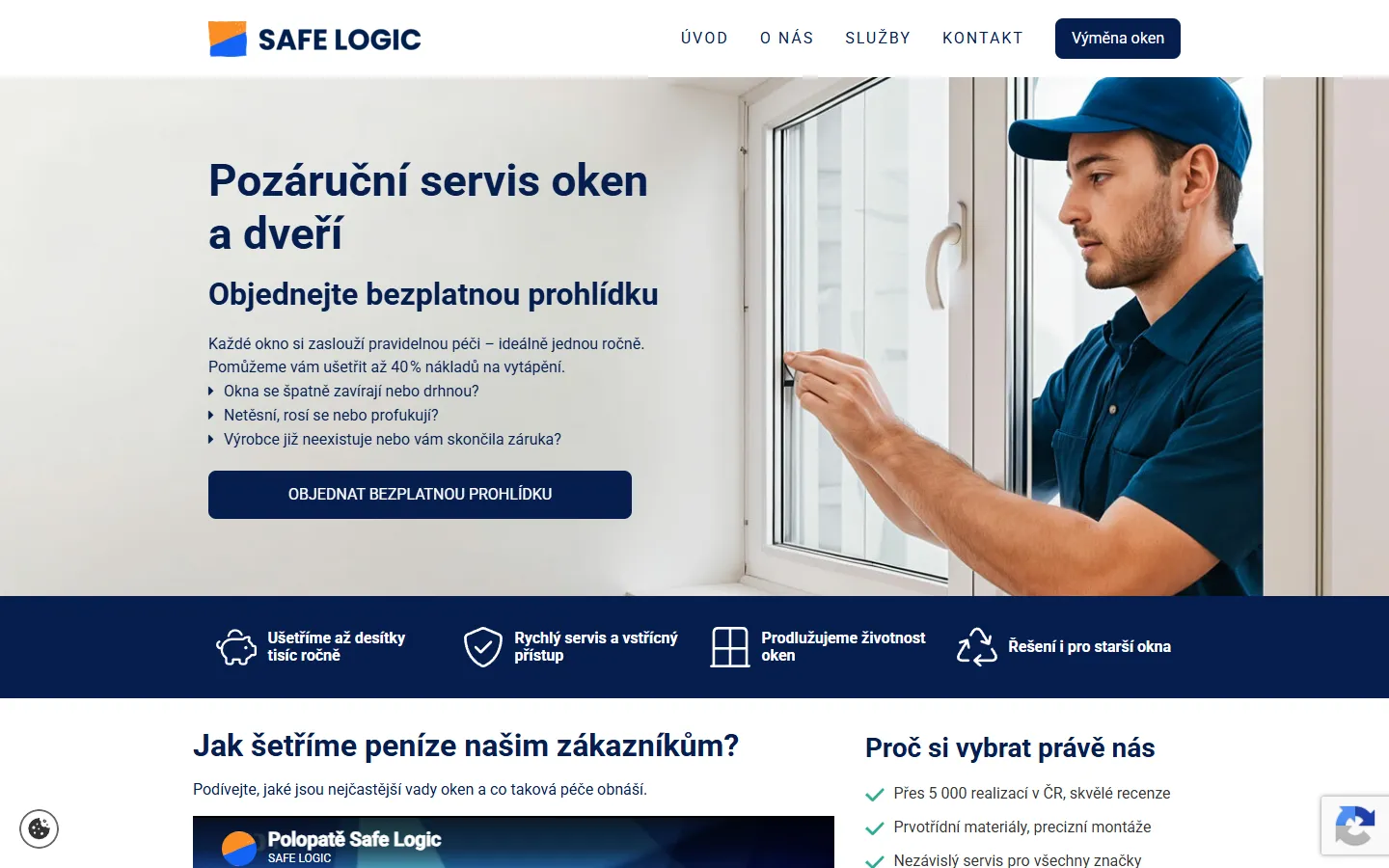
One promise above the fold
What someone gets and who it is for, without scrolling. If the headline does not match the words in the ad they clicked, nobody reads the rest.
- 02
Proof instead of adjectives
Numbers, references, logos, photos of real work. “Outstanding quality” convinces nobody; one concrete thing a visitor can check does.
- 03
Objections, not just benefits
What it costs, how long it takes, what happens if it does not fit. An objection the page does not answer gets answered by the visitor leaving.
- 04
One action, repeated
A form, a phone number or a button — the same one, in several places. Two different actions side by side compete with each other.
- 05
A form that does not hurt
Only the fields you genuinely need. Every extra field is another reason to stop filling it in.
- 06
Measurement from day one
Form submissions as conversions, traffic source, behaviour on the page. Without it the page cannot be improved, only repainted.
Landing page, microsite and a page of your website
Three things that get confused in briefs. They differ in how many pages they have, whether they get their own domain and where their visitors come from.
- Landing page — one page, one goal, living off paid traffic or a campaign. It does not need navigation and often deliberately has none.
- Microsite — a small standalone site of several pages with its own address and its own look. It makes sense for a campaign, a contest or a product range that does not fit the main site.
- A page of your website — lives inside the main site and shares its navigation and its authority in search. For long-term SEO this is usually the better choice than a separate domain.
For a one-off campaign a landing page is usually the fastest and cheapest option. For something meant to hold its place in search for years, a page on the main site is better: a separate domain starts from zero in search.
How it works with us
- 01
The brief and one sentence of goal
Who arrives, from where, and what they should do. Until we agree on that one sentence there is no point drawing anything.
- 02
Structure and copy before visuals
The order of the blocks and the arguments. We write the copy and you comment on it — that is faster than the other way round.
- 03
Mobile first, literally
Most ad traffic arrives on a phone. So we design the phone and derive the large screen from it, not the reverse.
- 04
Build and measurement
Custom code, no template. Tracking goes in while we build, not after launch — the first week of a campaign is the most valuable one.
- 05
Launch and changes from data
After the first few hundred visits you can see where people drop off. We change the page based on that, not on opinions from a meeting.
How landing pages usually fail
A mismatch between the ad and the page. The ad promises something specific, the page talks about the company. Within moments the visitor knows they are somewhere else than expected and goes back — and you paid for that click.
The second common failure is speed. Landing pages are reached from ads, often on mobile data away from wi-fi. A page full of scripts and uncompressed photos loses part of its audience before it even appears.
What we build landing pages with
- Next.js and React, or plain HTML and CSS where the page needs nothing more.
- Custom code instead of a page builder: no plugins to keep an eye on, and nothing that cannot be moved elsewhere.
- Forms with bot protection, delivered to email or straight into your CRM.
- Google Tag Manager, GA4 and conversion tracking including consent under Consent Mode.
- Language versions with hreflang when the campaign runs in several countries.
- A/B variants where there is enough traffic for the measurement to mean anything.
What decides the price
The amount of copy, the number of languages, whether it connects to a CRM or a shop, and whether you also need graphics and photography. The cheapest case is one page in one language with a form going to email; the most expensive is a multilingual campaign microsite wired into systems on your side. Tell us what you are planning and we will send a budget for that brief — not a price list that would not fit your situation anyway.

Frequently asked questions
What is the difference between a landing page and a website?
A website answers many questions and offers many routes. A landing page answers one question and offers one route. That is why a website has navigation and a landing page often deliberately does not.
Do I need a separate domain for a landing page?
Usually not. Most often we put the page inside your existing website, which is better for search. A separate domain makes sense for a campaign that is meant to look visually separate from the brand.
How long does a landing page take?
A simple page in one language is a matter of days once the copy is approved. The time usually goes into agreeing what exactly the page should promise — not into the build.
Do you write the copy as well?
Yes. We write it and you comment on it. On a landing page the copy matters more than the visual, so we do not leave it until the end.
Can the page connect to our system?
Usually yes — by email, by webhook or straight into a CRM. We just need to know where enquiries should land before we build it.
Do you also run the ads that feed the page?
Campaigns are run by our sister agency Independency. The advantage is that the page and the ads are made together and promise the same thing.
Tell us what you are planning
A few sentences about where the traffic comes from and what people should do is enough. Daniel will get back to you and we will agree on the scope.
Ask about a landing page