Working with a Czech studio from abroad: how a project actually runs
Quality isn't the first question, the process is. Briefing, approvals, reverse-charge invoicing, file rights, and the three places where it genuinely goes wrong.
Opinion · Working together
 Daniel Hauser
Most enquiries from abroad start with a number. Someone has a quote from an agency in Munich, London or Hamburg on the desk, finds it too high, and looks at what exists east of the border. That is a fair reason to get in touch. It is rarely the reason the work then lasts for years.
It is real, and I won't pretend otherwise. A studio near Prague carries different fixed costs than an agency in a large German or British city: lower rent, lower salaries in the surrounding market, no open-plan office that has to justify itself every month. That difference lands in the quote.
What matters is where it comes from. If a quote is cheaper because there is less overhead in it, you get the same work for less money. If it is cheaper because there is less work in it, you get less work. You can check which it is before you sign, with a single question: who designs, and who do you speak to during the project? If the quote names an account manager as your contact and leaves the designing person unnamed, you are paying for the handovers.
To be concrete about where that overhead is not: the studio is in Kersko, a village in the woods about an hour from Prague, not a floor in a city centre. The work reaches you through the same tools either way, and nobody has ever hired me for the address.
Less than most people expect. Briefing over a video call, files in a shared folder, approvals by e-mail, invoicing under the reverse-charge mechanism with no VAT if you have an EU VAT number. I have visited German clients on site several times, but on no project was that the condition for it working.
What does change is the number of people between you and the work. At DHMO you speak to me — the person who designs it, steers it and answers for it. In more than twenty years in design, marketing and web development I have learned that understanding a business is hard to delegate across three handovers. When a project needs more hands, I bring in specialists from my network: photographers, 3D artists, developers, printers.
My clients don't see me as a supplier but as a partner. They call when they need something and know they will get an answer straight away, not after the next meeting.
Ask about a project that rolled out in more than one market. Not a translated website — a brand that had to hold up in two countries with different mandatory declarations, different pack sizes and different competitors. Anyone who has done that will tell you about the problems, not the result. That is the signal.
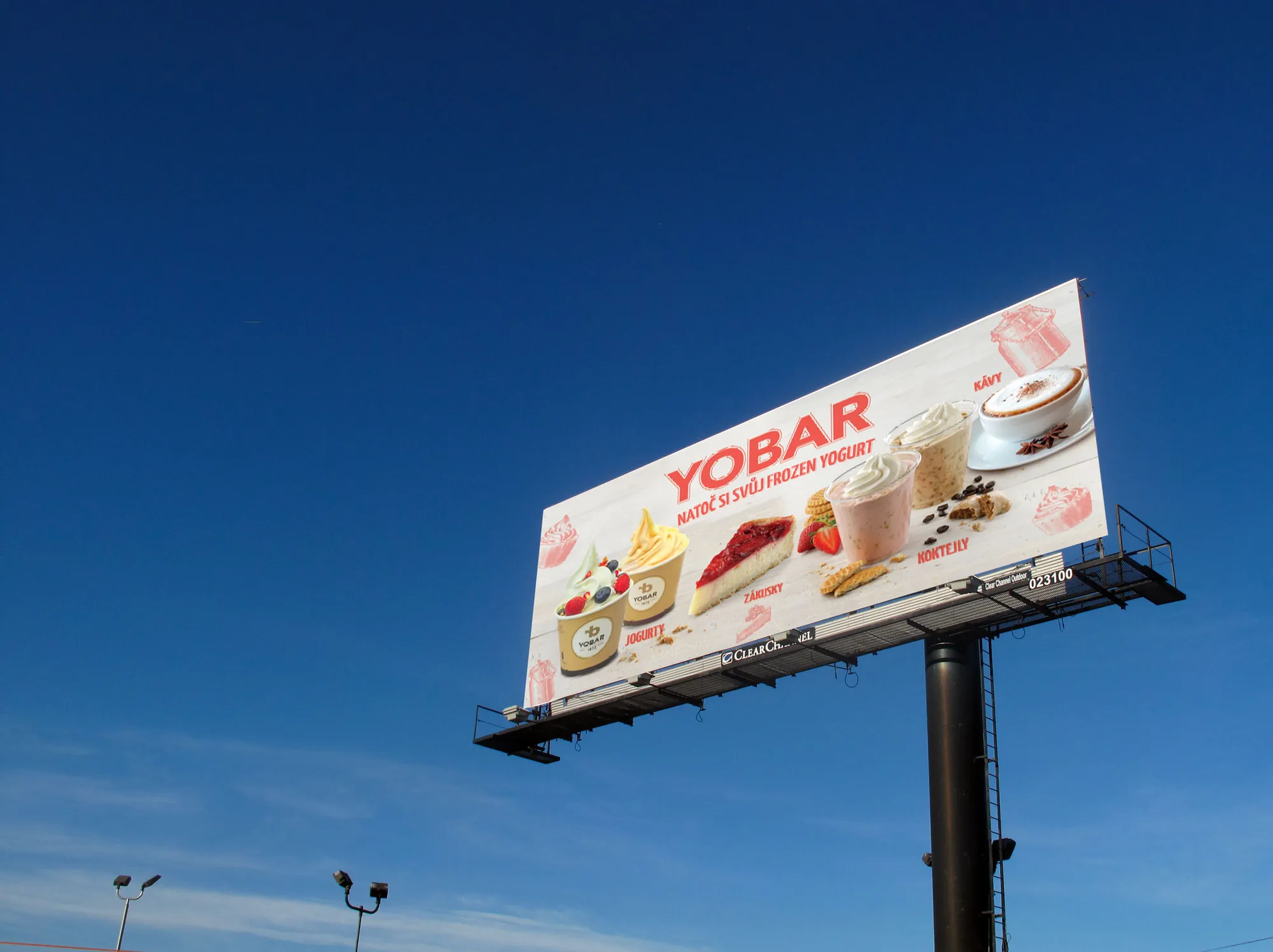
And ask what happens after the project. Who owns the open files, in what format you get them, what a change costs in two years. A studio that lives on repeat work answers that in two sentences. For YOBAR I did the rebranding including the points of sale in 2015, and three years later the graphic style of the campaigns — relationships like that don't happen when the files stay with the supplier.
When your project needs weekly presence in your building, because a team has to work closely with your product development for months. When you need an agency with dozens of people at once, because a global campaign runs in fifteen countries in parallel. And when your procurement requires a supplier registered in your own country — that is not a design question, and it is not worth arguing about.
For a brand, packaging, a website, campaign visuals or 3D visualisation, though, most companies get more for less by speaking directly to the person who does the work. Send me a few sentences about your project and I'll reply personally.
Write a few lines about what you need. I will get back to you personally.
Discuss a project
Quality isn't the first question, the process is. Briefing, approvals, reverse-charge invoicing, file rights, and the three places where it genuinely goes wrong.
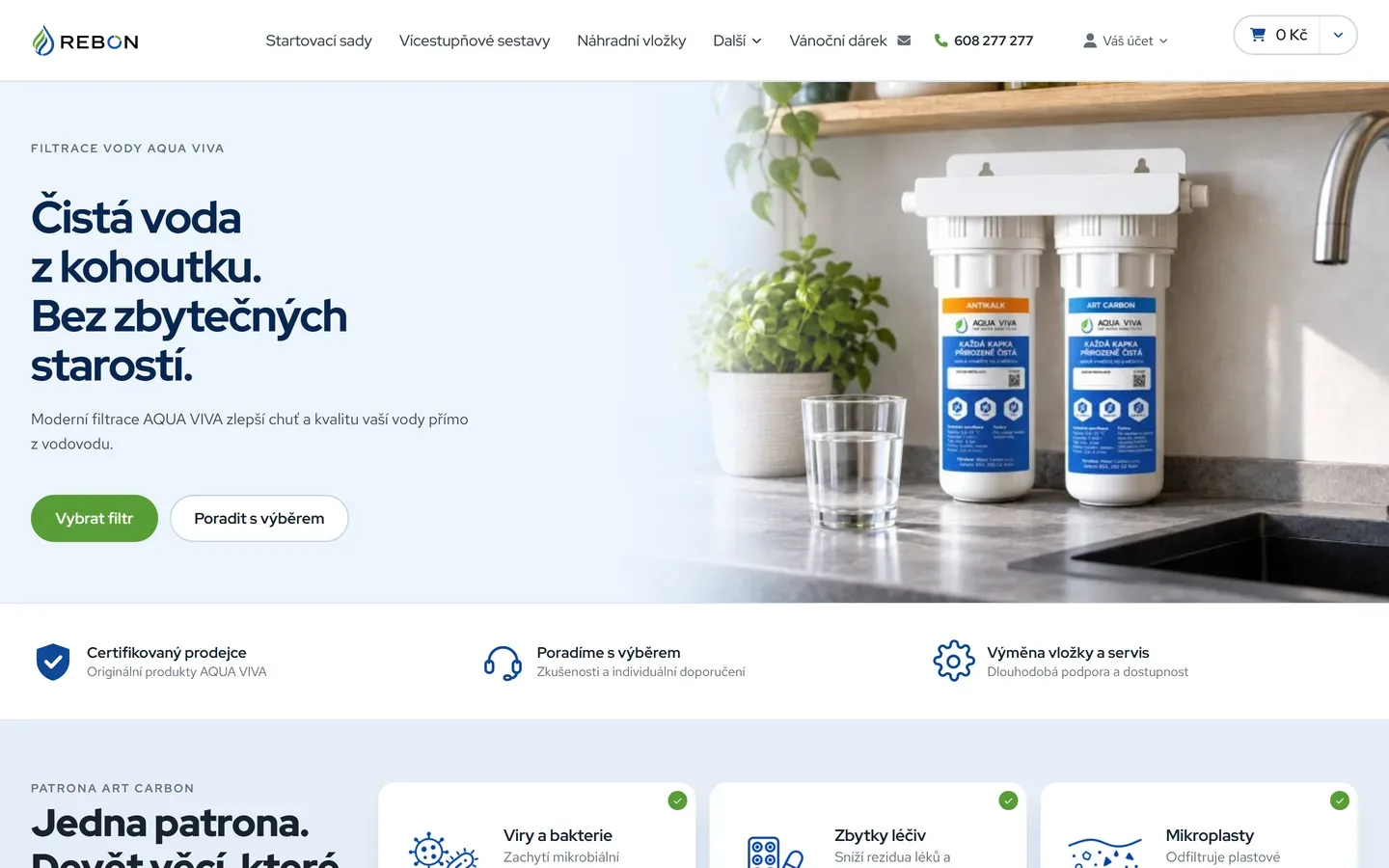
How to design a brand and a store for domestic water filtration so a layperson grasps what they are buying. From the logotype through product visuals to the design of the whole site.
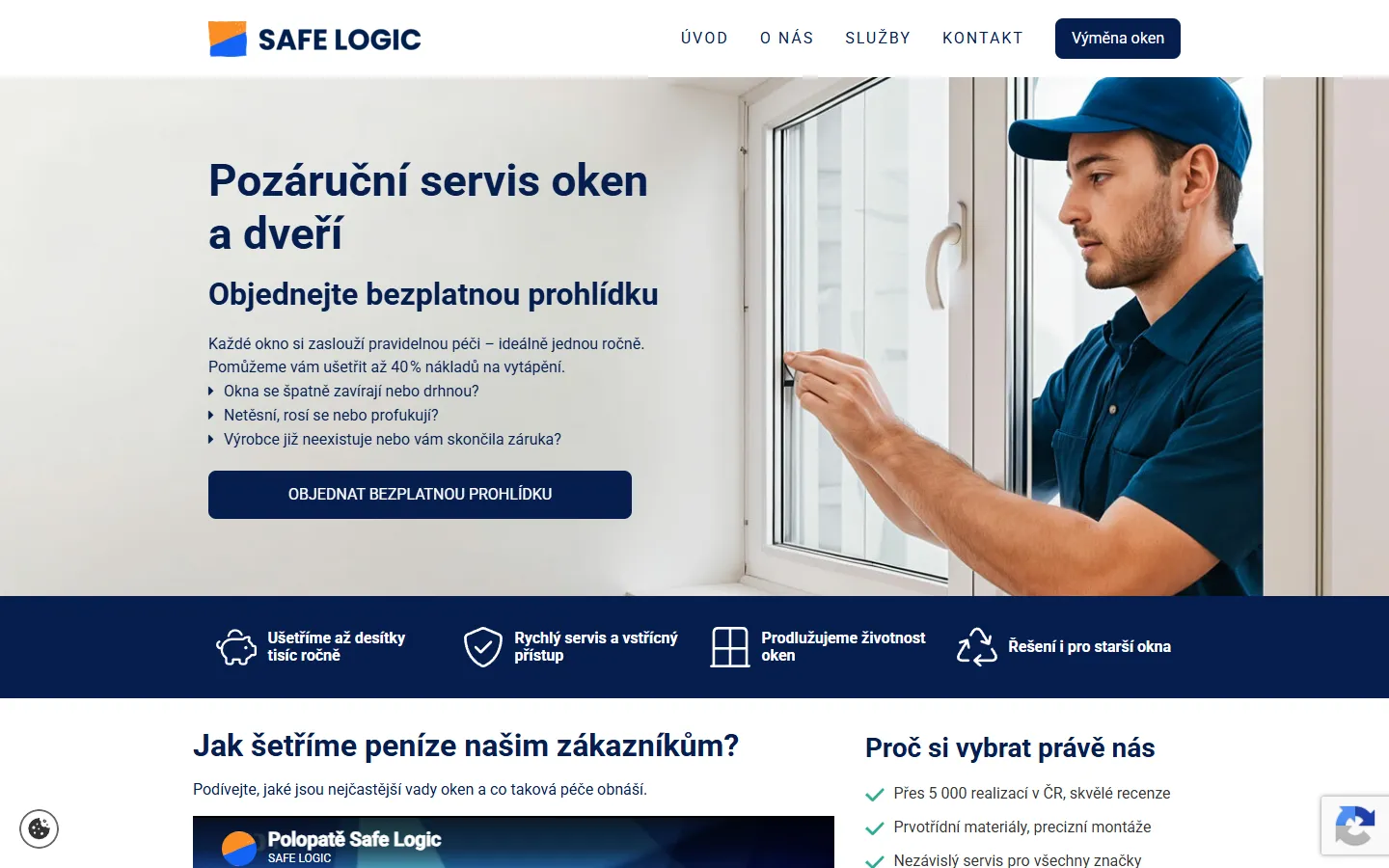
A good-looking page can reach a machine empty. Four design decisions that cause it, and why none of this means building boring websites.
Since 23 October, Performance Max can pull up to ten videos from your social accounts and site into your ads. This is not an ad setting, it is a question of running a brand.
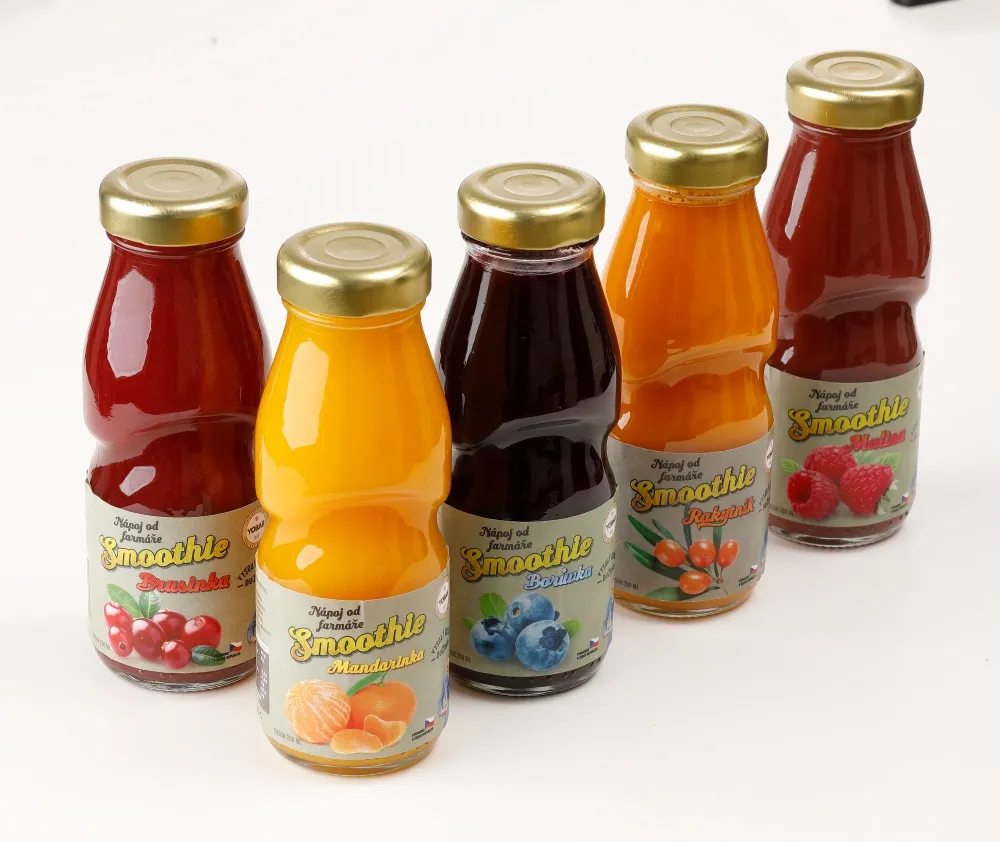
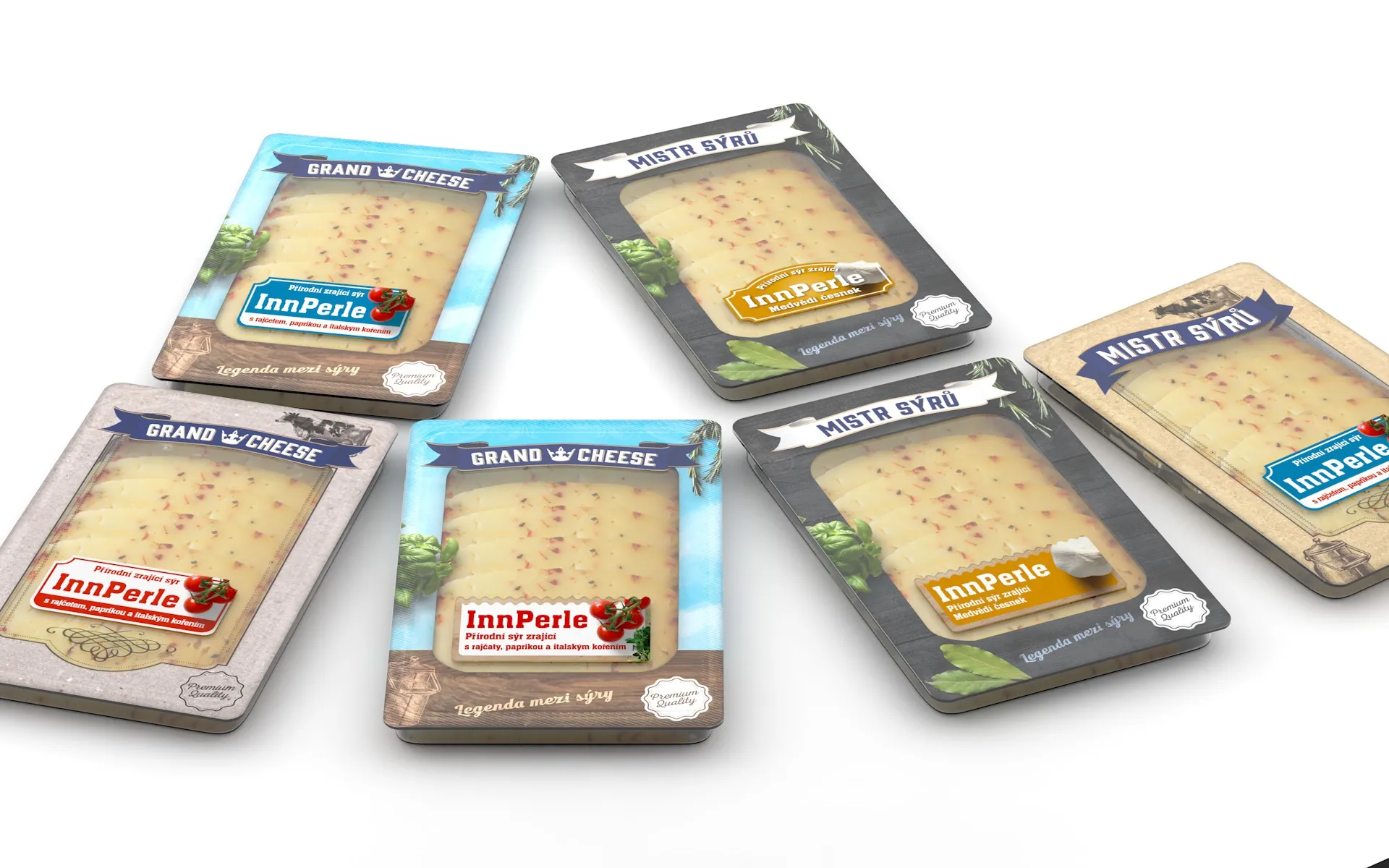
In an expansion the brand usually breaks before the campaigns do. What has to stay the same in every country, what has to bend, and why it is decided at the first pack rather than at the fifth market.
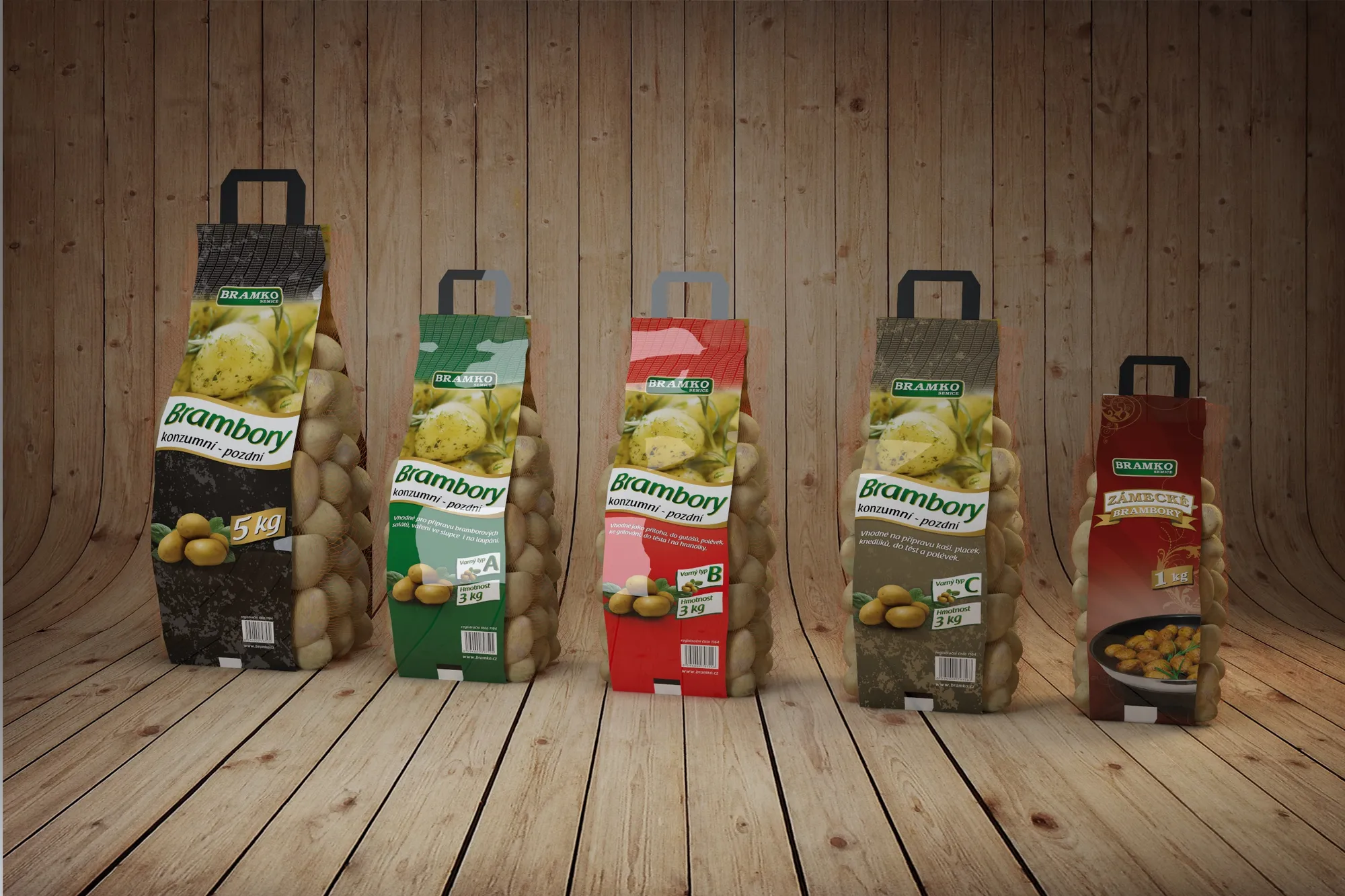
Most people now see packaging first as a small square in a comparison listing, not on a shelf. What survives being shrunk, what is lost, and why it has to be decided before anything is drawn.
When anyone can generate a smooth visual, smoothness stops meaning care. What that does to brands, where we let AI into our work and where a hand still touches paper.
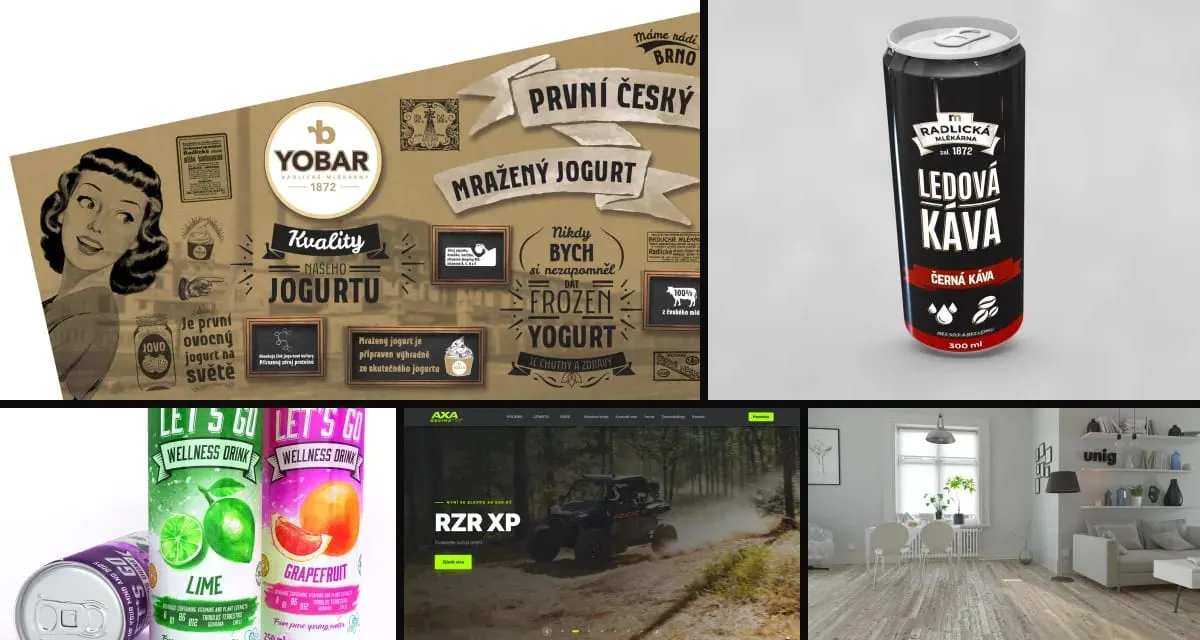
Why one experienced person with modern tools and a network of specialists often delivers more than a big agency, and why clients keep returning for years.
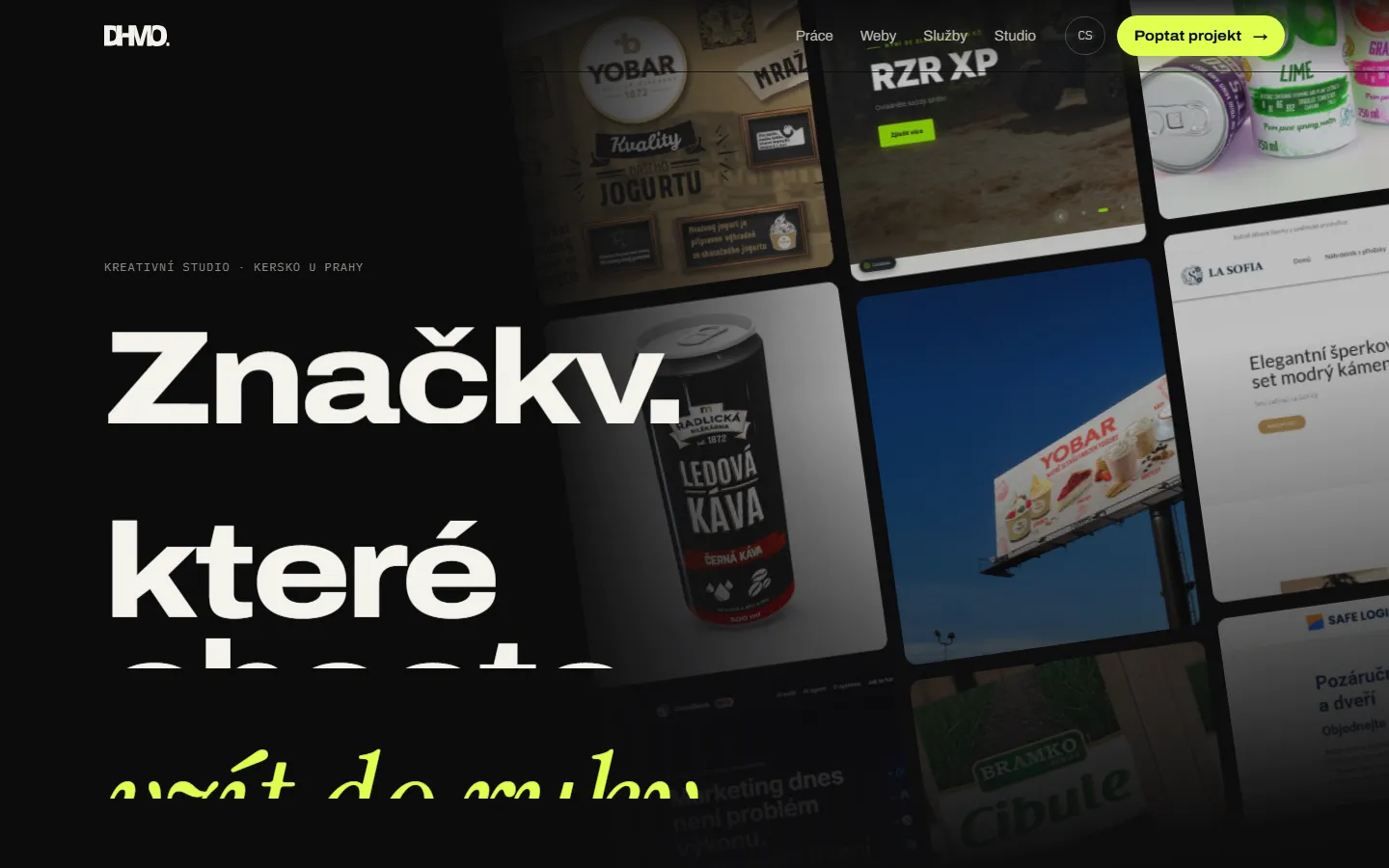
This site was built in eight languages in two days. Here is how our studio works with AI agents, what we built around them, and why humans make every call.
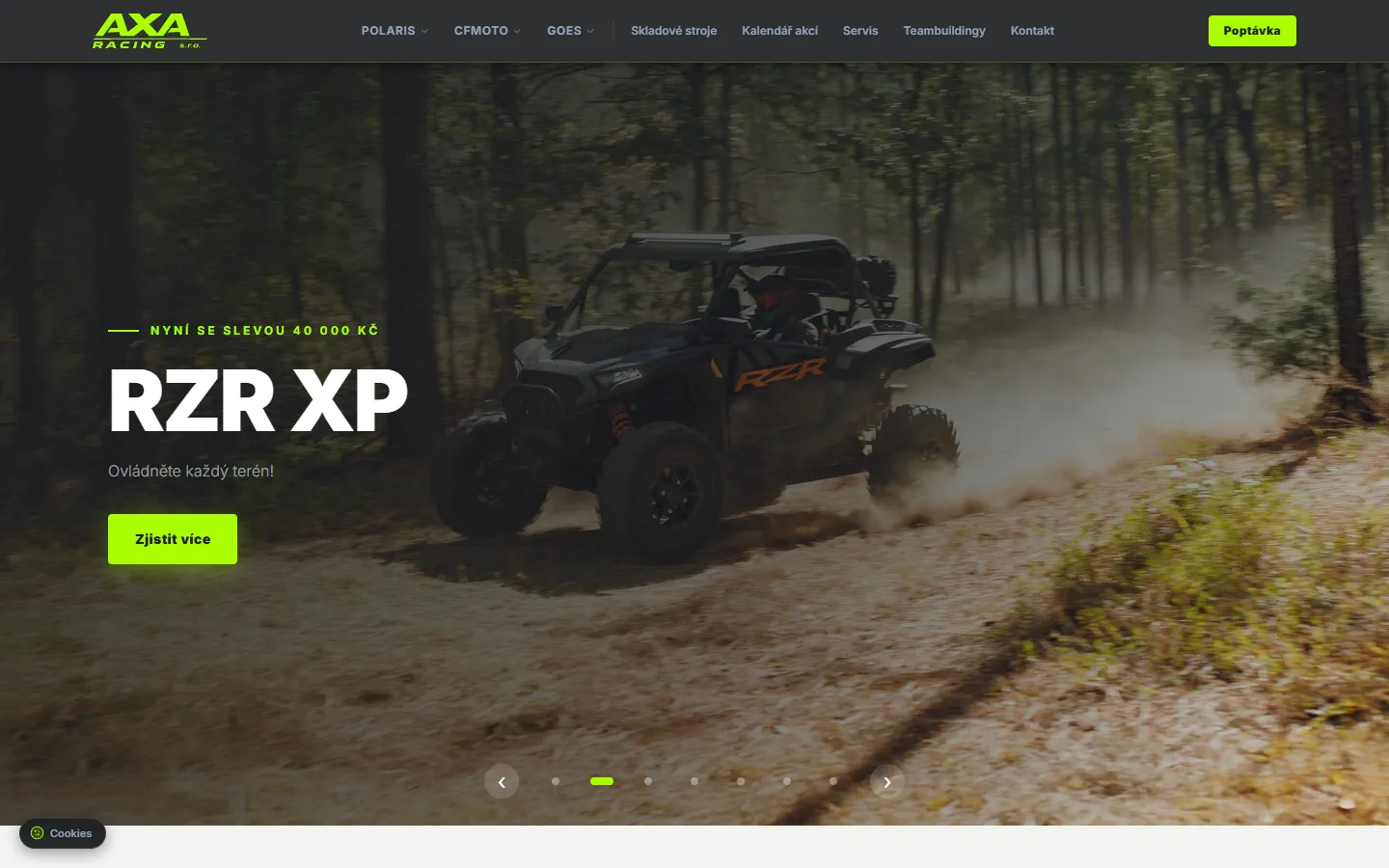
How we merged data from Polaris, CFMOTO and GOES into one dealer website with its own admin. Built on Next.js, first version live in three days.