Rebon: a brand for a product the customer does not understand
How to design a brand and a store for domestic water filtration so a layperson grasps what they are buying. From the logotype through product visuals to the design of the whole site.
Opinion · Running a brand
 Daniel Hauser

A video you shot for Instagram can, since last week, appear as an advertisement without anyone approving it. Google switched this on by default in Performance Max. Technically it is a toggle in an ad account. Practically it is a question every brand has to answer before a machine answers it for them.
Performance Max now goes through linked social accounts, landing pages and a YouTube channel and picks up to ten videos for one asset group. On newly created campaigns it is on. The technical account of it, and where to switch it off, is with our sister agency in a piece on sourced videos in Performance Max.
We are interested in something else. Not whether it is on, but what it means for a brand that has spent years building a consistent voice.
Content for social media is made differently. It opens differently, because people meet it in a different frame of mind. It takes more playfulness, because it sits beside the rest of your account, and that context carries half the meaning. Often a specific person speaks in it, someone your followers know.
The moment the same video runs as an ad in front of strangers, that context is gone. What remains is ten seconds with no frame. Sometimes it works better than a produced ad. Sometimes it looks as if the brand had not noticed where it was sending it.
An ad is a different kind of use than a post. The difference is not in the file, it is in what stands around it.
Music in a social video is usually licensed through that platform's library, and that licence covers content on that platform. A creator speaking in the video agreed to appear on your channel. Whether either covers paid advertising is a question for a contract, not for an ad system.
Google has published no guidance on music or creator rights for this feature. That alone does not mean there is a problem. It means the answer will not come from anyone but you.
We do not recommend switching it off across the board. For some brands this material is the best thing they have, and a produced ad next to it looks dead.
We recommend deciding it. Once, for the whole brand, and writing it where the rest of the expression rules live. There are three questions: may our social content run as advertising, which channels are in scope, and what must never be in them. The answers fit in four lines of a brand guideline.
Whoever does not decide has also decided. They just do not know it, and will find out from an ad somebody forwards them.
This will not be the last change of its kind. Defaults in ad systems keep moving towards picking material on their own, and brands whose guidelines say only colours and logo have no answer to that. A brand guideline that says nothing about using work somewhere other than where it was made for is incomplete today.
If you are working out how a brand should look across channels, this is a good excuse to do it. We build brands and packaging, so we run into questions like this before they show up in an ad account.
Write a few lines about what you need. I will get back to you personally.
Discuss a project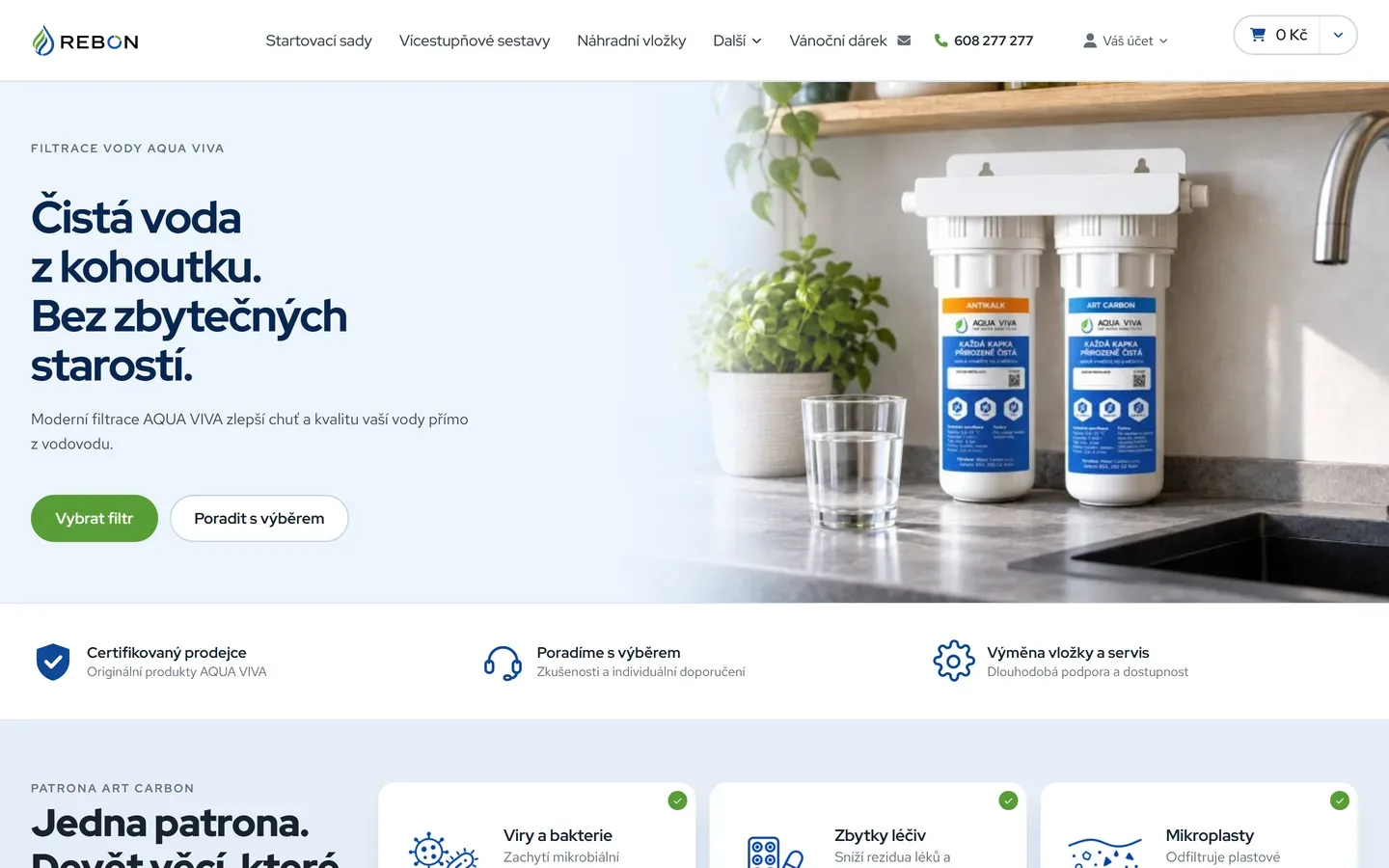
How to design a brand and a store for domestic water filtration so a layperson grasps what they are buying. From the logotype through product visuals to the design of the whole site.
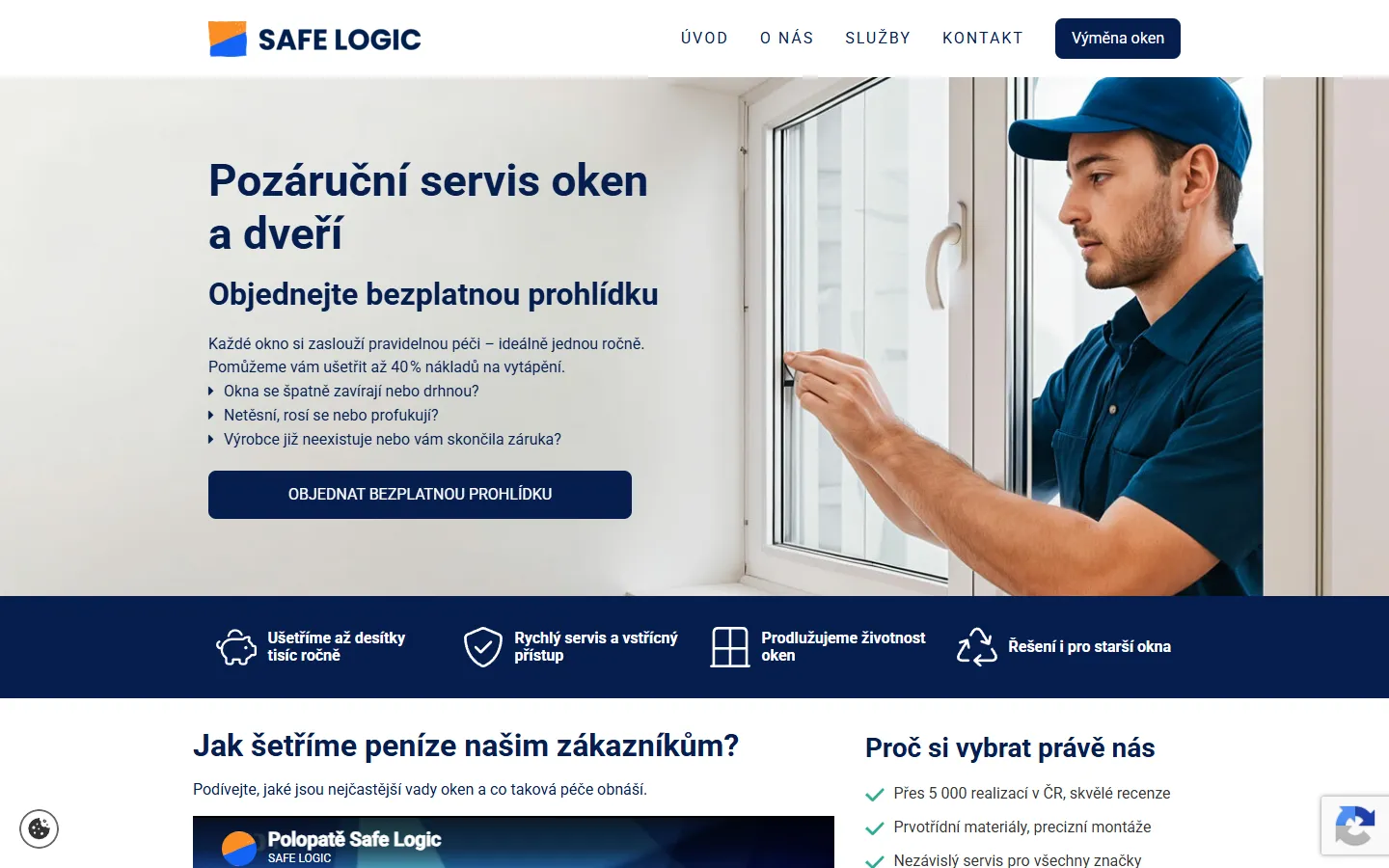
A good-looking page can reach a machine empty. Four design decisions that cause it, and why none of this means building boring websites.
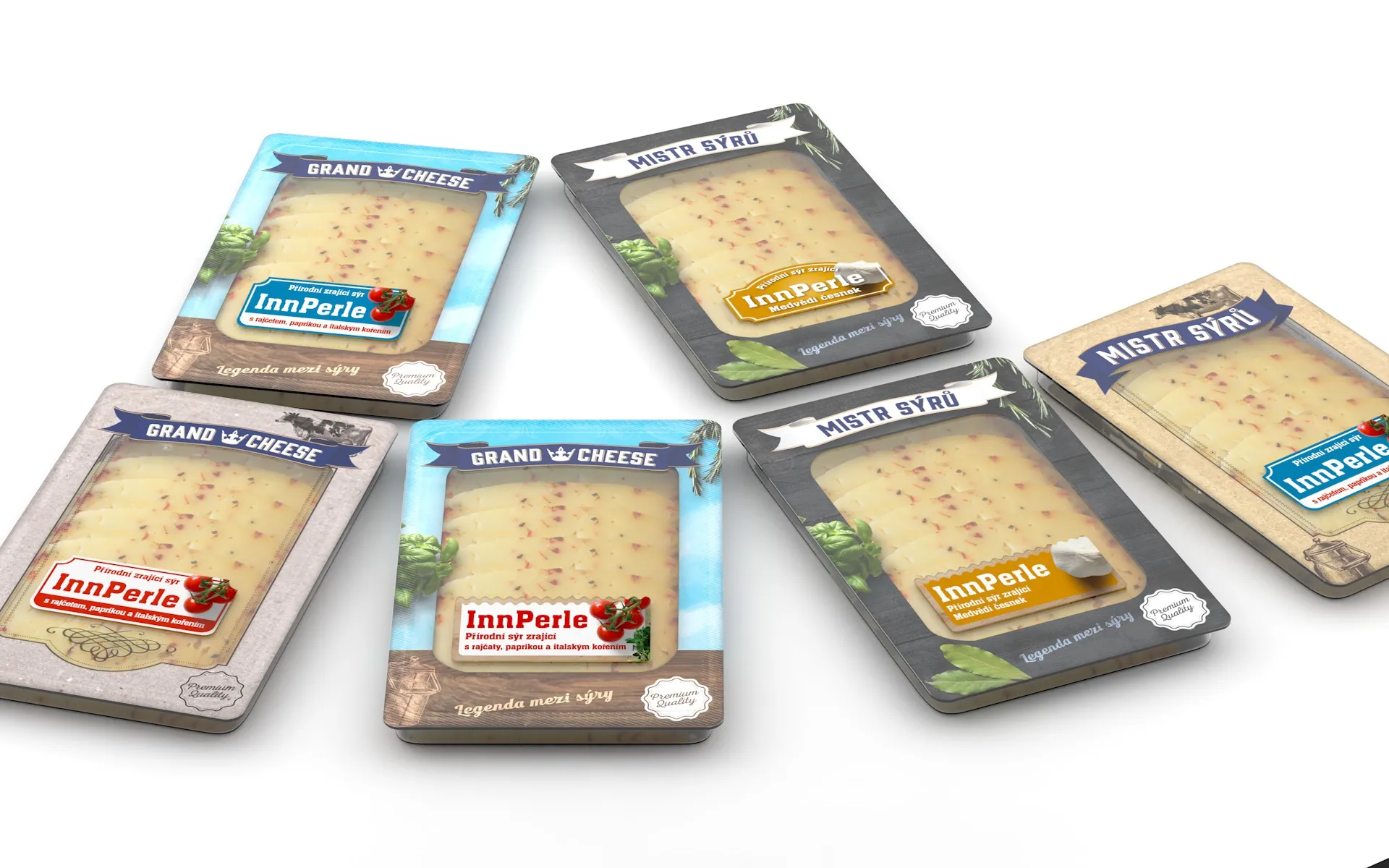
In an expansion the brand usually breaks before the campaigns do. What has to stay the same in every country, what has to bend, and why it is decided at the first pack rather than at the fifth market.
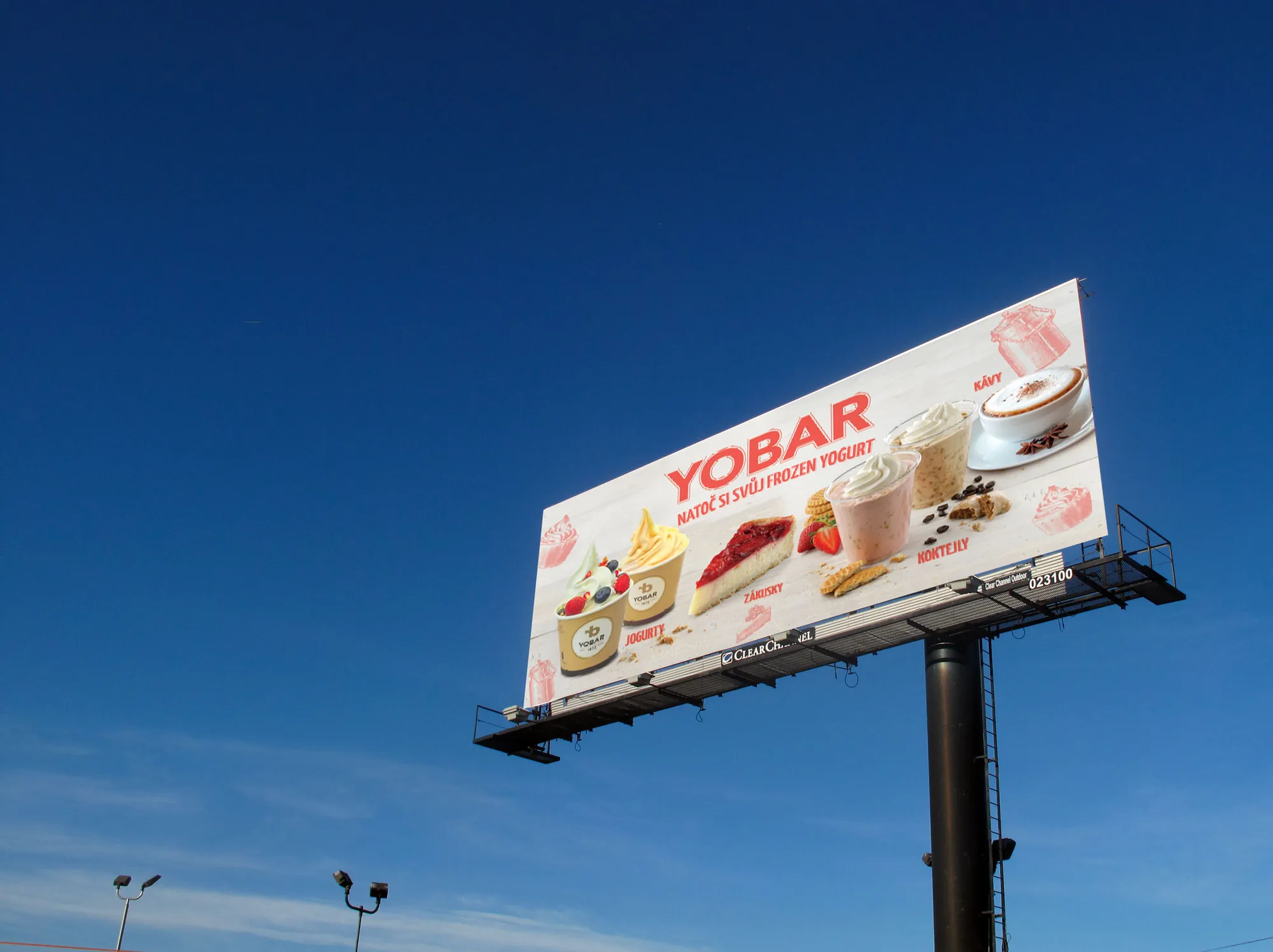
Most people now see packaging first as a small square in a comparison listing, not on a shelf. What survives being shrunk, what is lost, and why it has to be decided before anything is drawn.
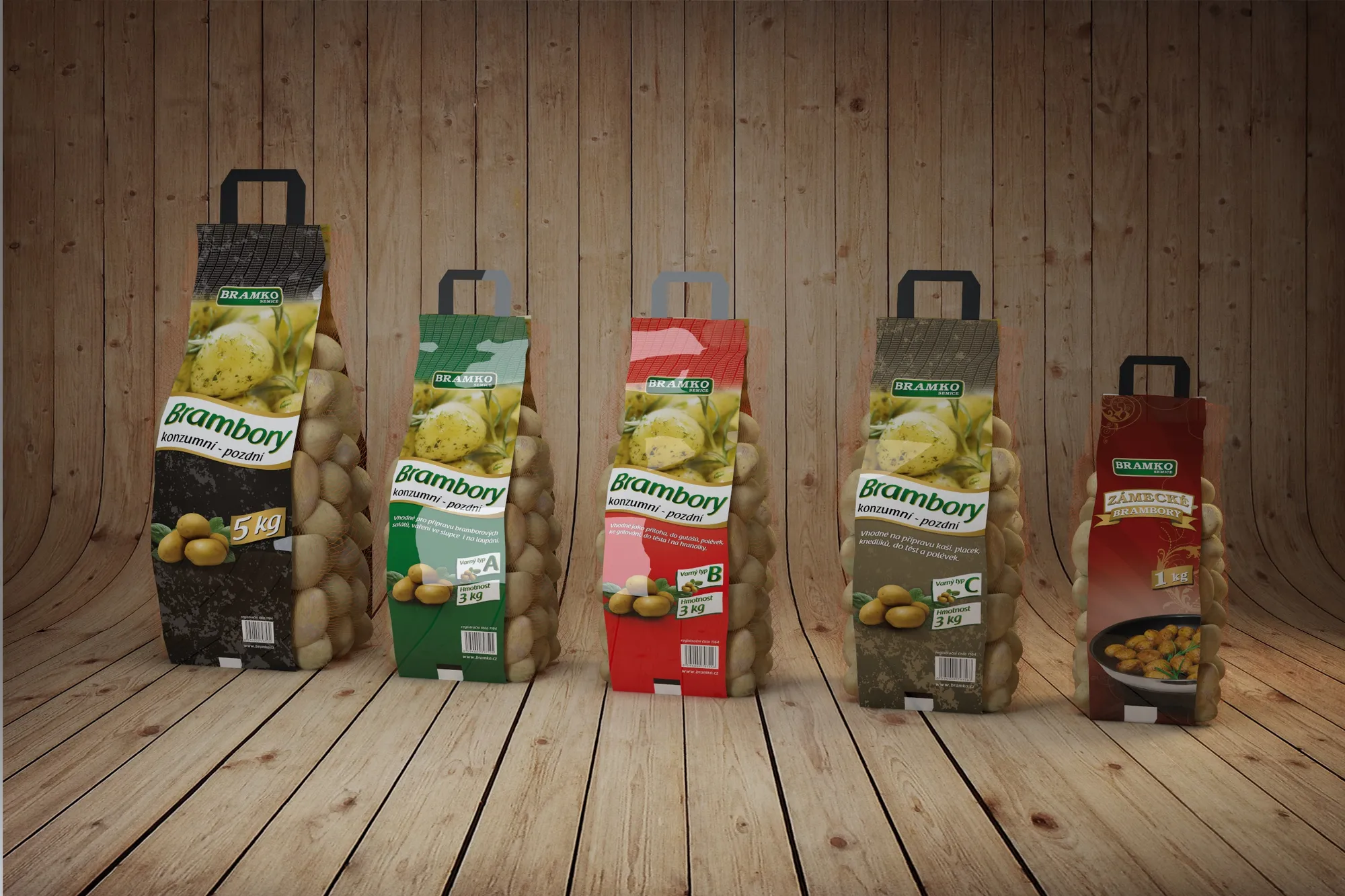
When anyone can generate a smooth visual, smoothness stops meaning care. What that does to brands, where we let AI into our work and where a hand still touches paper.

Why one experienced person with modern tools and a network of specialists often delivers more than a big agency, and why clients keep returning for years.
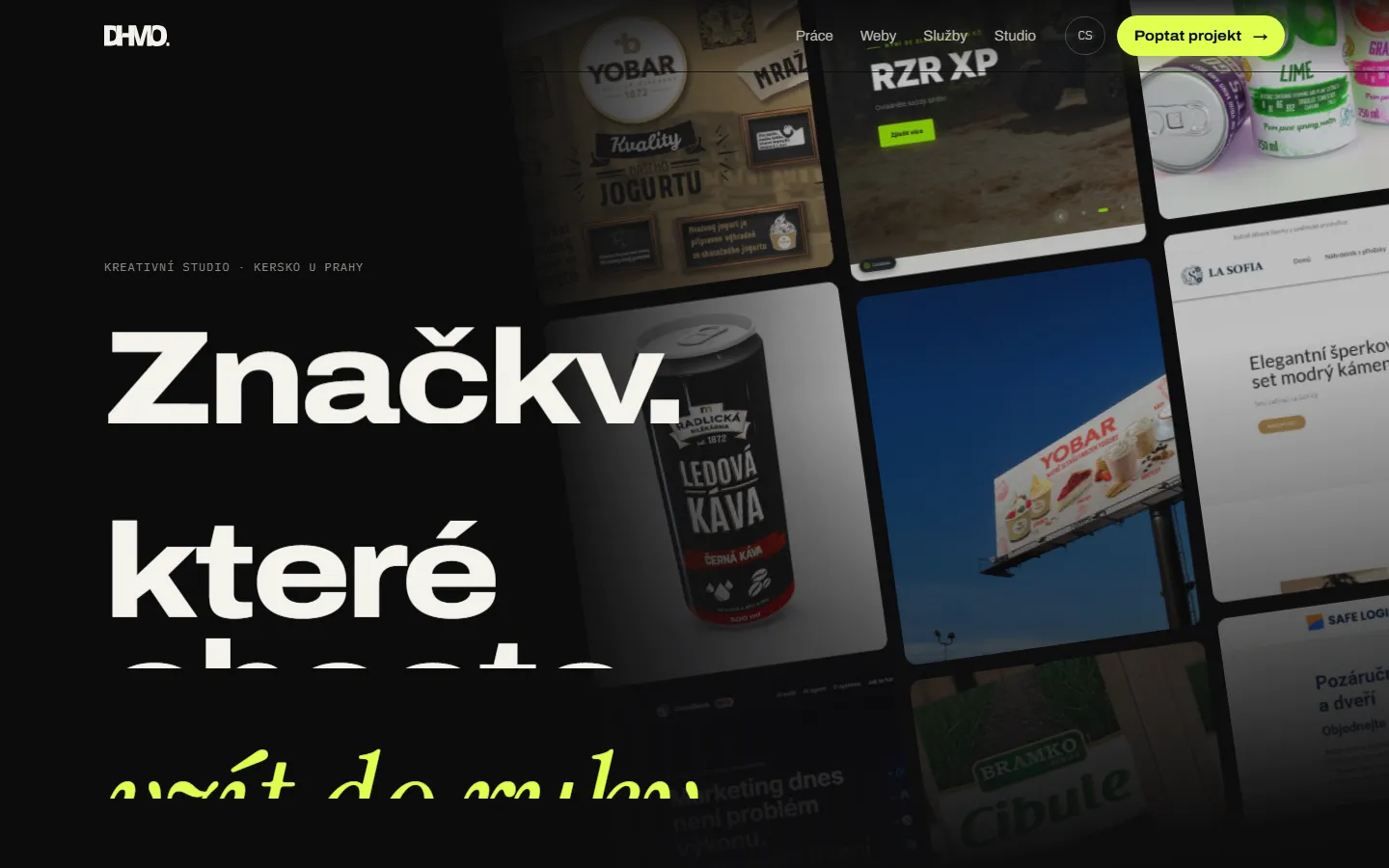
This site was built in eight languages in two days. Here is how our studio works with AI agents, what we built around them, and why humans make every call.
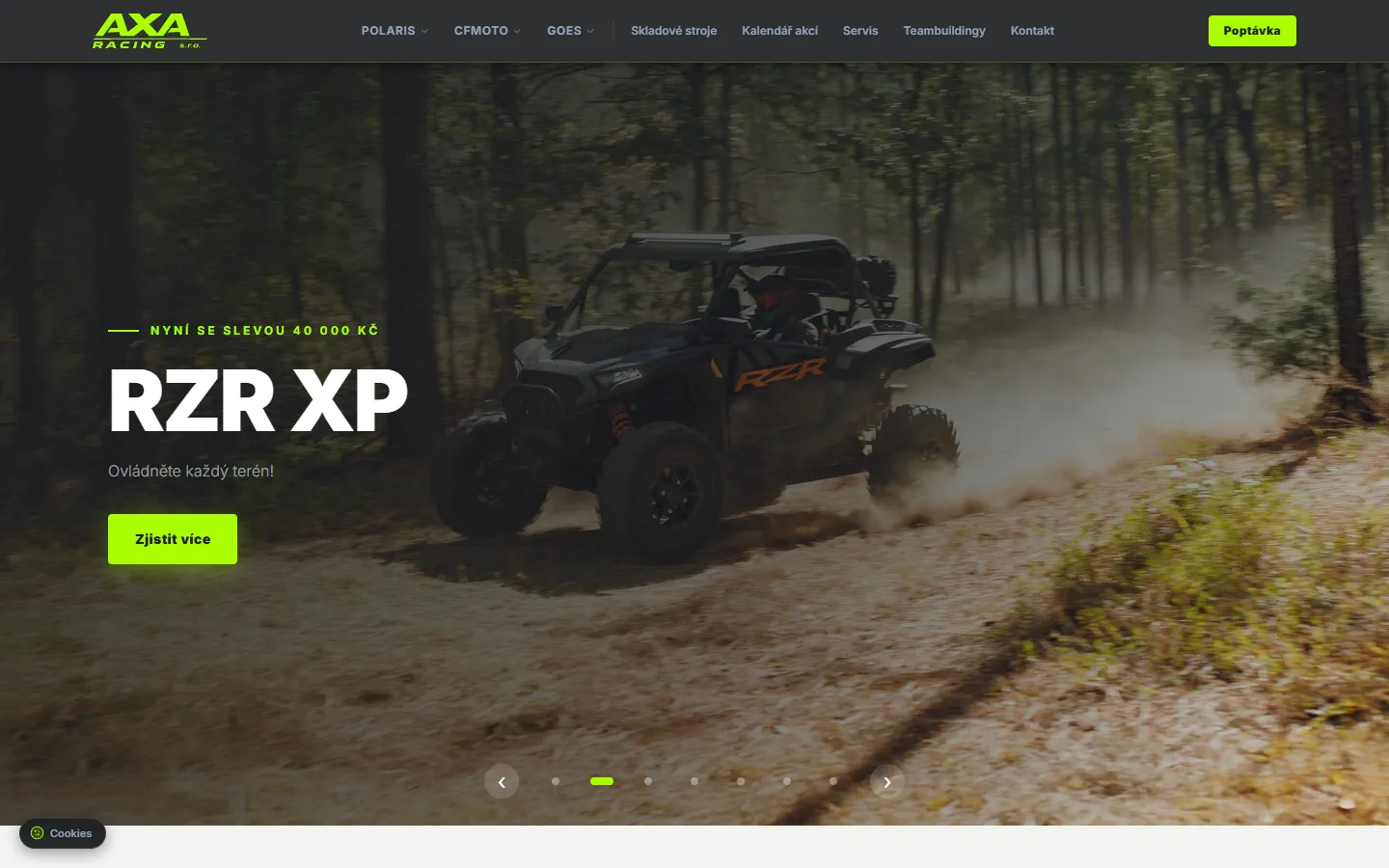
How we merged data from Polaris, CFMOTO and GOES into one dealer website with its own admin. Built on Next.js, first version live in three days.