Why brands hire a design studio in Prague
The price gets you the enquiry, it doesn't keep the work. What German and Austrian clients actually look for in a Czech studio — and when hiring one is the wrong call.
Guide · Working together
 Daniel Hauser

People hiring a studio abroad for the first time rarely ask about quality first — the portfolio answers that. They ask about the process: how do the materials get there, who approves, what does the invoice look like, and what happens when the printer hits a snag. Here is how it runs at DHMO, without skipping the awkward parts.
A forty-minute video call replaces ten e-mails. It isn't about taste, it's about constraints: which countries you sell in, which mandatory declarations have to go on the pack, which formats and materials are fixed, which printer is involved, and which deadline cannot move. What I need after that call is usually a short list: existing logos as open files, product photography, copy in your language, and the old print specification if there is one.
What the brief does not need is references to brands you like. Those come later and help with direction, not with planning. What is usually missing and costs the most: who, on your side, decides in the end. Three people with equal votes is the single most common reason for a third round of revisions.
I don't work with three equivalent options to choose from. You get one proposal with the reasoning for why it is the way it is, plus the direction I rejected and why. That sounds less generous, but it produces a decision instead of a compromise. Approvals go by e-mail with a date, not in chat — with packaging you want to be able to look up later who confirmed which version.
Two rounds of revisions are included, the third is agreed separately. Not as leverage: after the third round the problem is almost always in the brief rather than the design, and at that point a conversation is cheaper than another round.
DHMO is part of Independency s.r.o., registered in the Czech Republic. For companies elsewhere in the EU with a valid VAT number, the invoice normally goes out under the reverse-charge mechanism: the amount carries no VAT, the liability shifts to you, and you declare it in your own return. For private individuals and for clients without an EU VAT number, that does not apply, and for clients outside the EU the rules depend on your country.
That is the standard case and not tax advice — have your accountant confirm it for your situation before the first invoice. Contractually, most projects need nothing more than an order confirmation stating scope, dates, price and one sentence on usage rights. If you need a framework agreement, you get one; if your procurement requires a supplier questionnaire or a subcontractor declaration, say so early, because it costs a week.
On completion you get the open files, not just PDFs: the logo as vectors in the usual formats, print data with the correct colour profile and bleed, images at original resolution, and for websites the source code and the credentials. The usage rights to the result are yours, unrestricted and unlimited in time, including modification by someone else.
Two things should be said plainly. First: licences for purchased typefaces and stock imagery are in your name or have to be paid on by you — that cannot be transferred, and it is named in the quote. Second: I keep the right to show the work in my portfolio, unless you would rather I didn't, in which case it isn't shown.
Prague is a few hours from Munich, Vienna or Berlin and a short flight from most of Europe, and I have visited German clients on site several times. On no project was it necessary. It is useful exactly once: at the first briefing, when the product is physical and you have to hold it. After that, photographs and a phone are enough.
The honest version, though, is that it usually never happens. I have worked with clients for years whom I have never met in person — from the first brief through to repeat projects — and in all that time the distance has never been the thing a project failed on. A visit speeds up agreement at the beginning. It does not improve the work.
If you want to know what this looks like for your project specifically, send me a few sentences about it. You get an assessment with the process, the dates and the price before anything is signed.
Write a few lines about what you need. I will get back to you personally.
Discuss a project
The price gets you the enquiry, it doesn't keep the work. What German and Austrian clients actually look for in a Czech studio — and when hiring one is the wrong call.
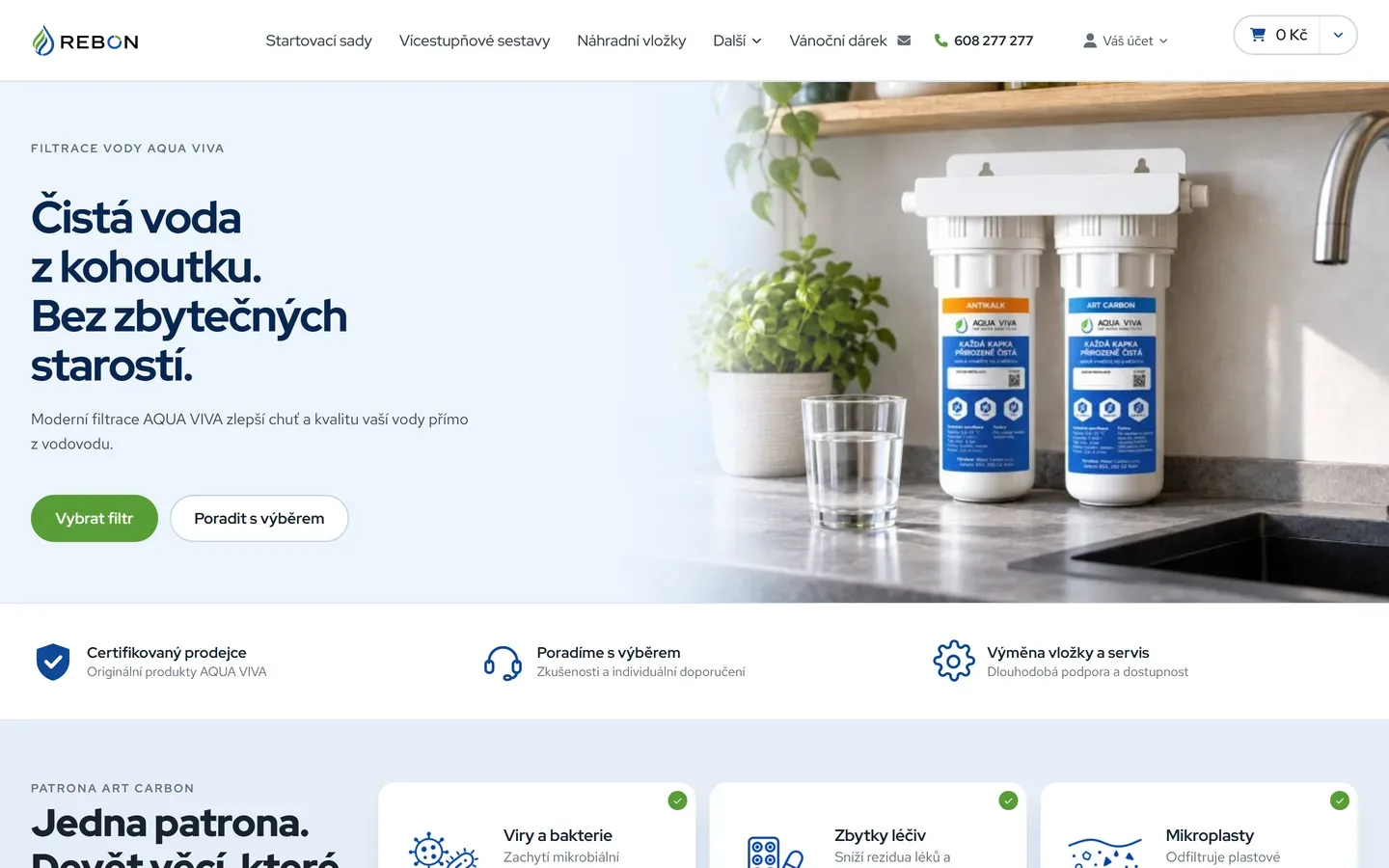
How to design a brand and a store for domestic water filtration so a layperson grasps what they are buying. From the logotype through product visuals to the design of the whole site.
A good-looking page can reach a machine empty. Four design decisions that cause it, and why none of this means building boring websites.
Since 23 October, Performance Max can pull up to ten videos from your social accounts and site into your ads. This is not an ad setting, it is a question of running a brand.
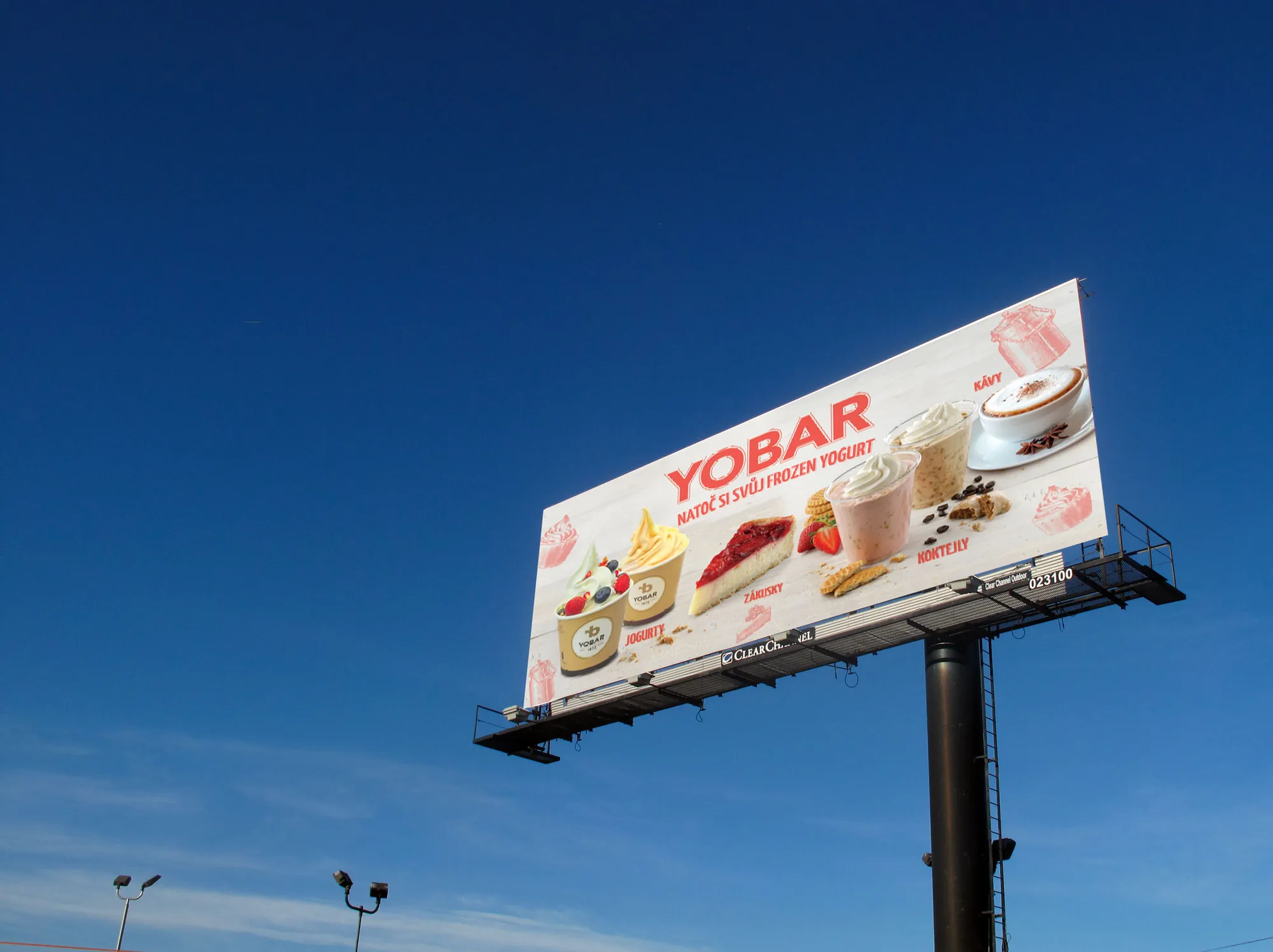
In an expansion the brand usually breaks before the campaigns do. What has to stay the same in every country, what has to bend, and why it is decided at the first pack rather than at the fifth market.
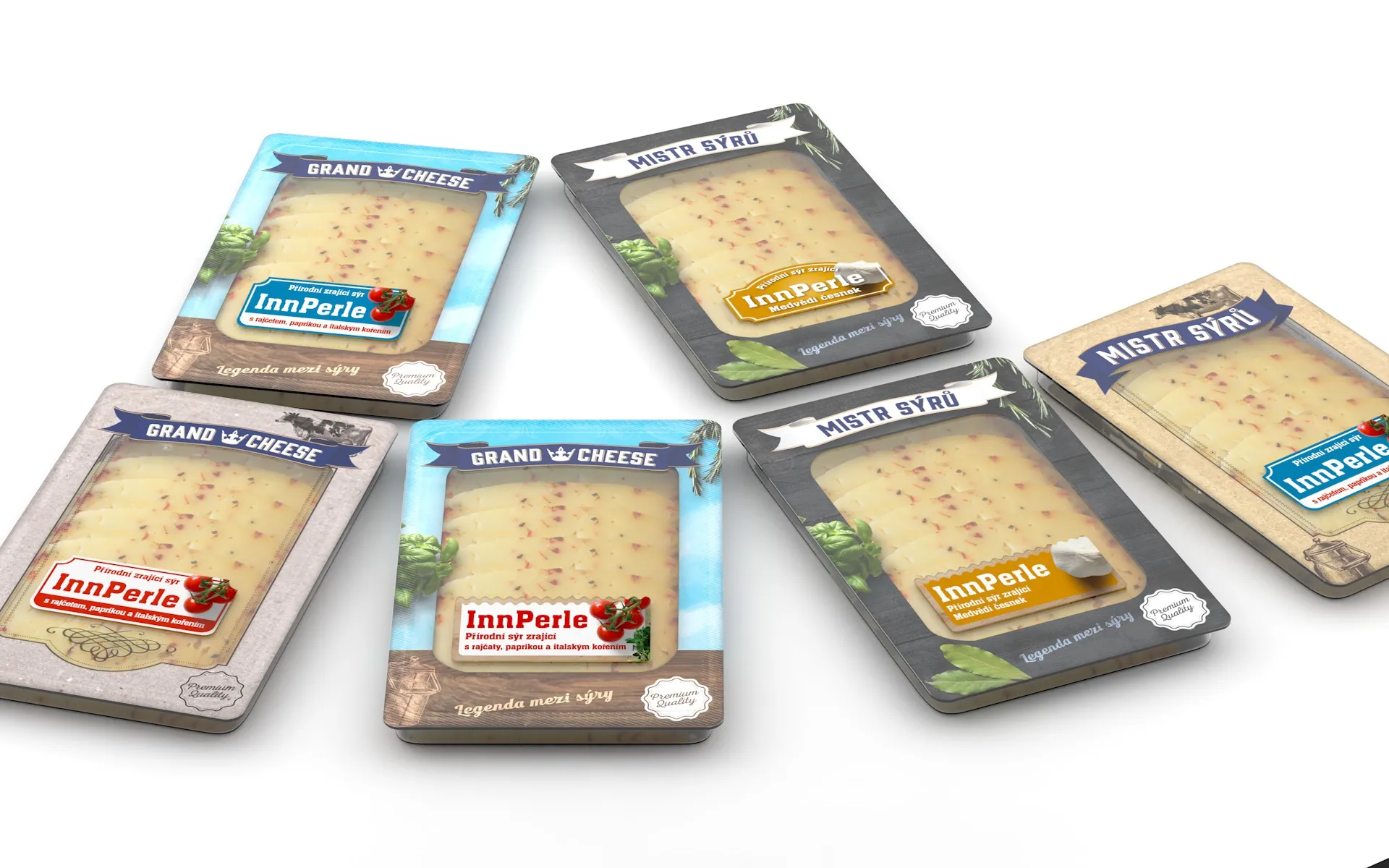
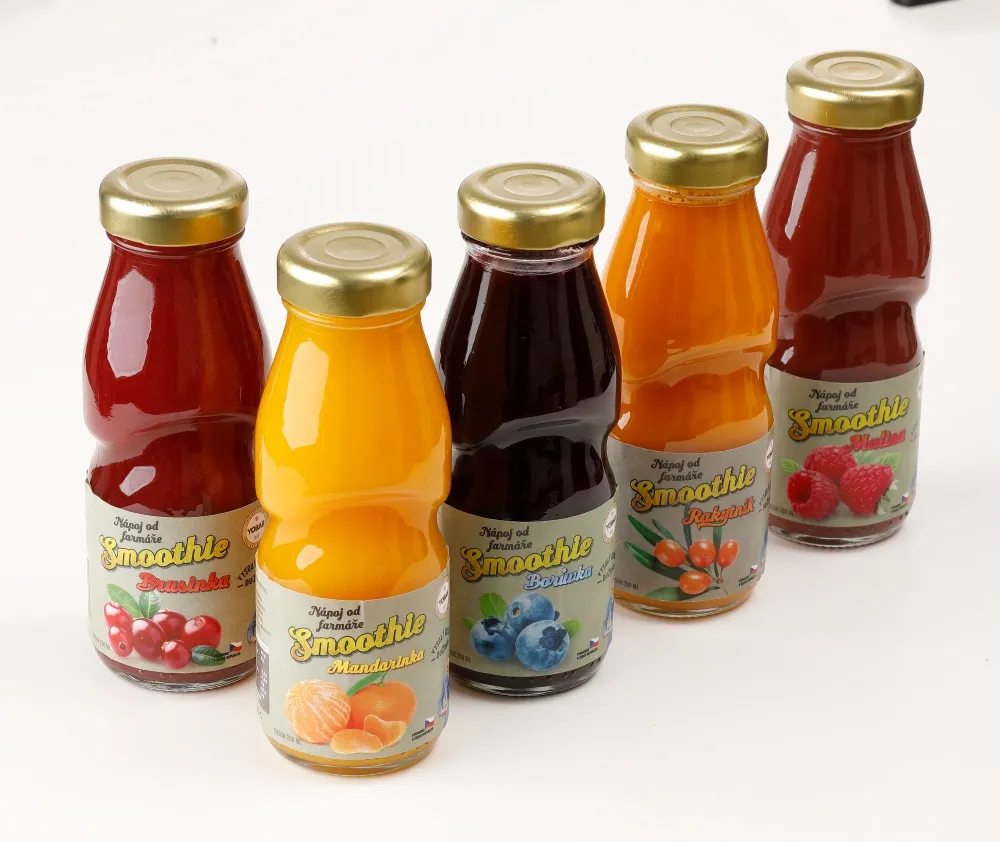
Most people now see packaging first as a small square in a comparison listing, not on a shelf. What survives being shrunk, what is lost, and why it has to be decided before anything is drawn.
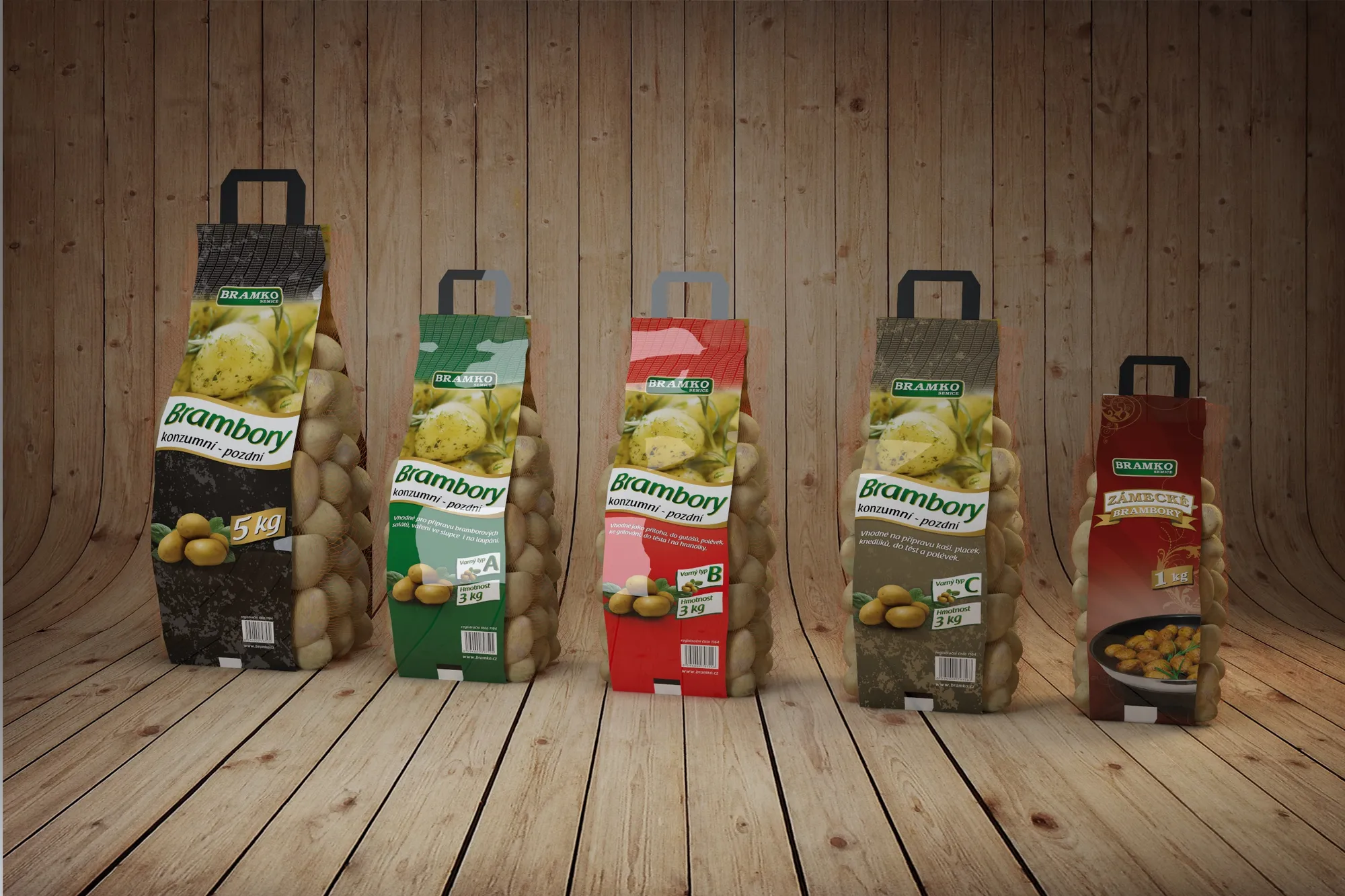
When anyone can generate a smooth visual, smoothness stops meaning care. What that does to brands, where we let AI into our work and where a hand still touches paper.
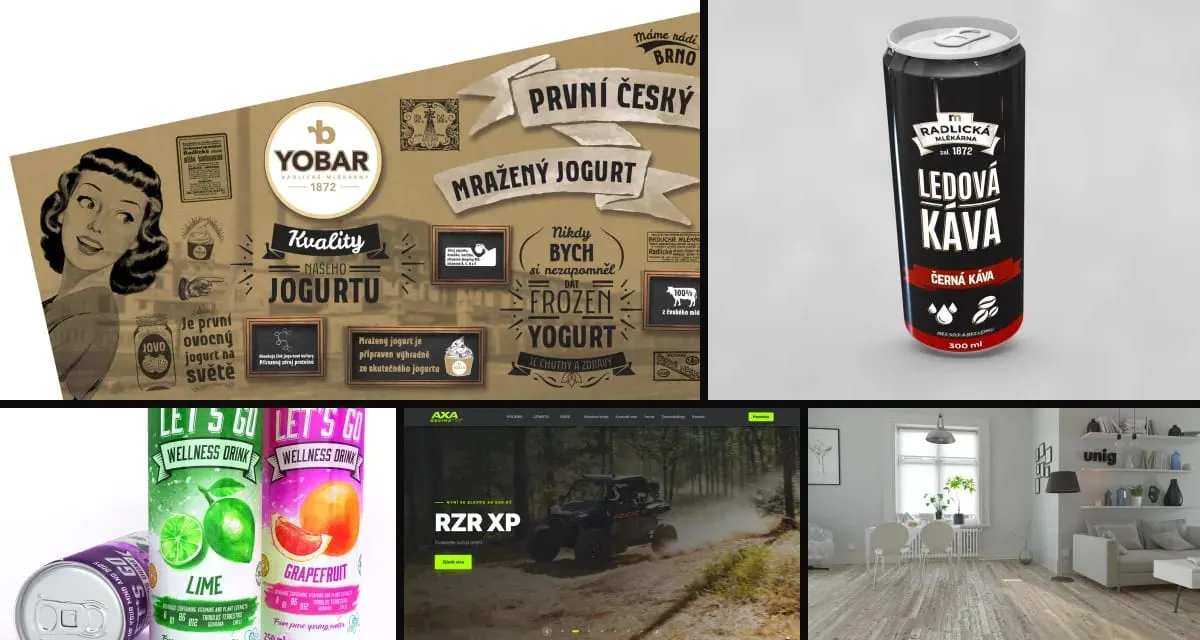
Why one experienced person with modern tools and a network of specialists often delivers more than a big agency, and why clients keep returning for years.
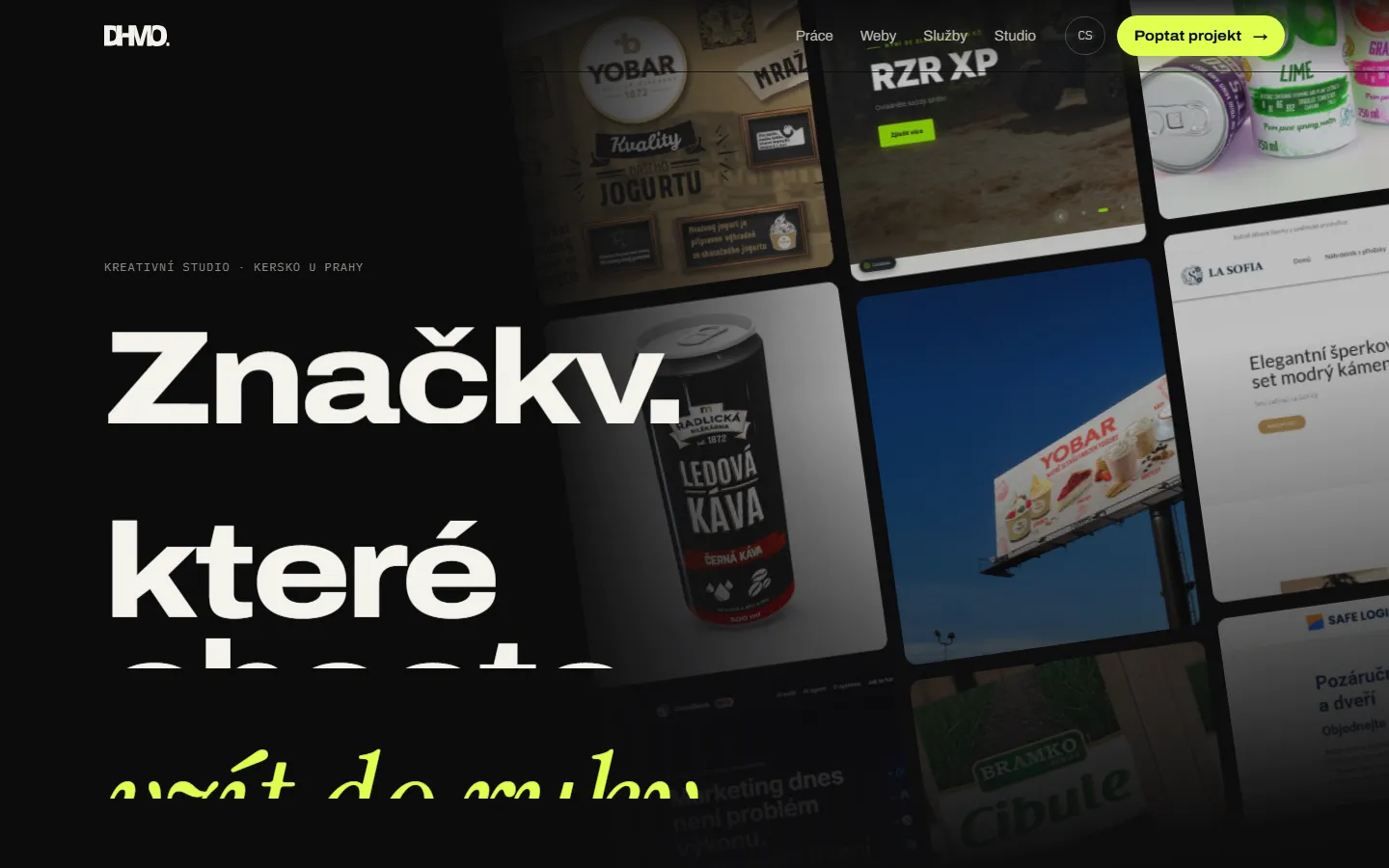
This site was built in eight languages in two days. Here is how our studio works with AI agents, what we built around them, and why humans make every call.
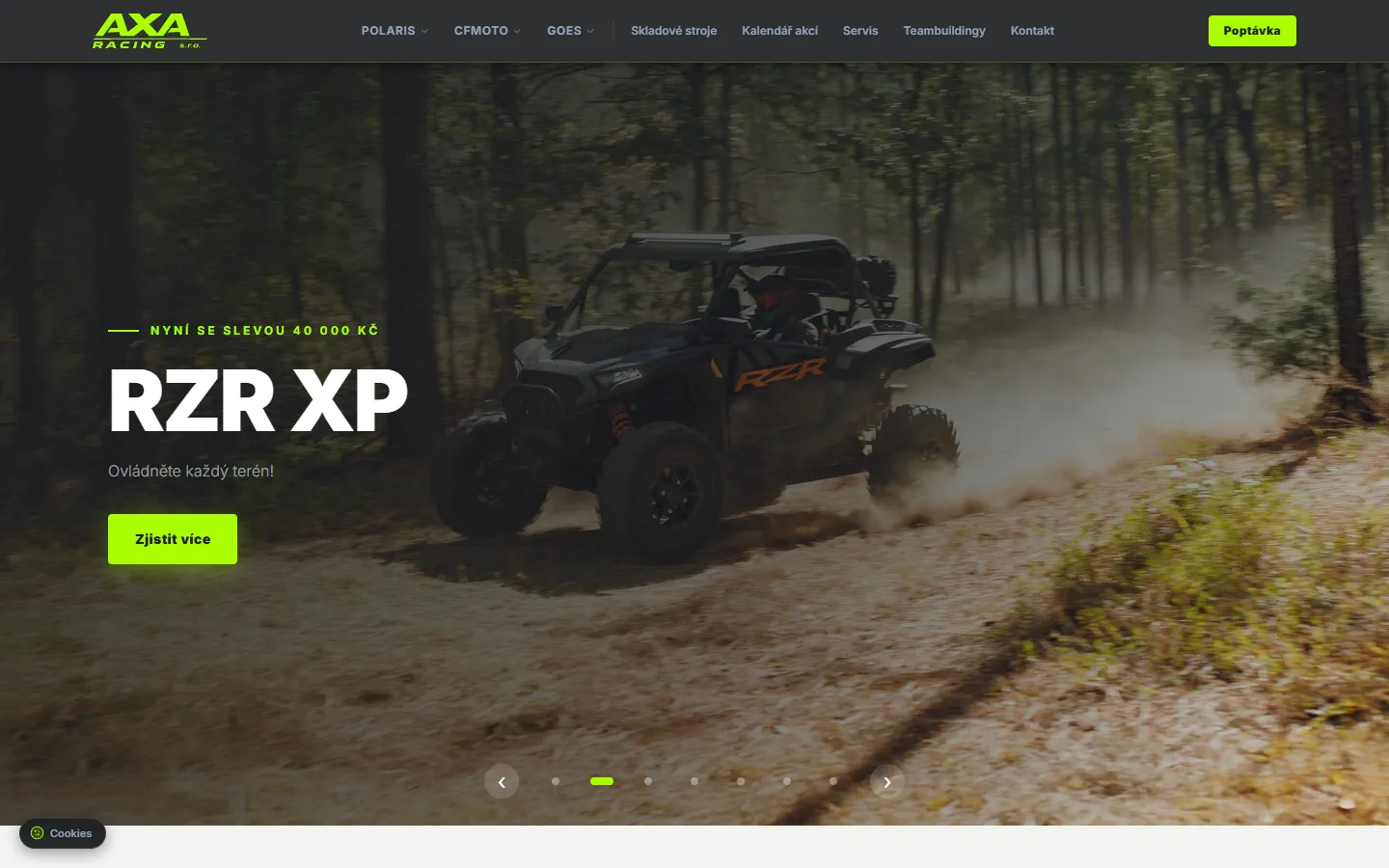
How we merged data from Polaris, CFMOTO and GOES into one dealer website with its own admin. Built on Next.js, first version live in three days.