A game instead of a banner: what it is good for
Why people start a game voluntarily, what it is good for in a campaign, and how long a simple game takes to build today.
Opinion · Brand leadership
 Daniel Hauser

“Looking for a boutique studio for a rebrand” and “looking for an agency for a rebrand” read like two ways of saying the same thing. They are not. A rebrand is made of two jobs that ask a supplier for opposite qualities, and most rebrands that go wrong went wrong because both were handed to the same person or the same firm out of habit.
The first is the decision: what the brand has to carry, what stays recognisable on it and what gets thrown away. It is a handful of fundamental choices made once, and everything else runs on them for a year. The second is the rollout: pushing those same choices through hundreds of carriers, variants, languages and production files without any of it coming apart.
The first job is done by a small number of people around one table and takes weeks. The second is volume and coordination and takes months. A supplier who is excellent at one tends to be the weaker one at the other, and that is not a flaw, it is a different discipline.
A brand decision cannot be made by committee. It needs someone holding the whole context at once who can say no. The more people stand between you and whoever is actually designing, the more the decision turns into a compromise that offends nobody and that nobody remembers.
This is where a network agency is at a structural disadvantage. Senior people come to the pitch, because the pitch is sales. The work is then picked up by whichever team was free. It is not a trick, it is how a house that size has to be utilised. It only means the people who convinced you usually do not decide anything about your brand.
Once the decision is made, the work that starts does not need a brilliant idea. It needs the fortieth packaging variant to look as careful as the first. The whole range in every size, language versions, POS, templates for retailers, photography, production files for suppliers and the run-out of old stock.
This is where a two-person studio becomes the bottleneck and the launch date starts moving. A network agency has the people, the processes and the traffic management for it. That is the real thing you are paying them for, and on a large rollout with a fixed date it can be decisive.
When you launch in many countries at once to a fixed date, when a media campaign or PR is tied to the rebrand and the same house is meant to run it, and when your procurement requires a supplier of a certain size and insurance. Those are not excuses, they are real conditions, and a small studio is the wrong choice inside them.
We are a small studio, so we are one of the two sides of this choice. We do the decisions and the system that follows from them, and we build the rollout with a network of specialists that I lead. At YOBAR that meant two passes three years apart, which I write about in Rebranding: refresh or rebuild?. The more general comparison of a small studio and a big agency is in Small studio or big agency?.
If you are facing a rebrand, write to me with how many carriers and language versions it has to reach in the end and whether there is a fixed date. Those two numbers say more than any presentation.
Write a few lines about what you need. I will get back to you personally.
Discuss a project
Why people start a game voluntarily, what it is good for in a campaign, and how long a simple game takes to build today.

Instead of a PDF with a logo we send family, friends and business partners a browser game. Why it works better than a card, what a leaderboard does to it and what we have learned.
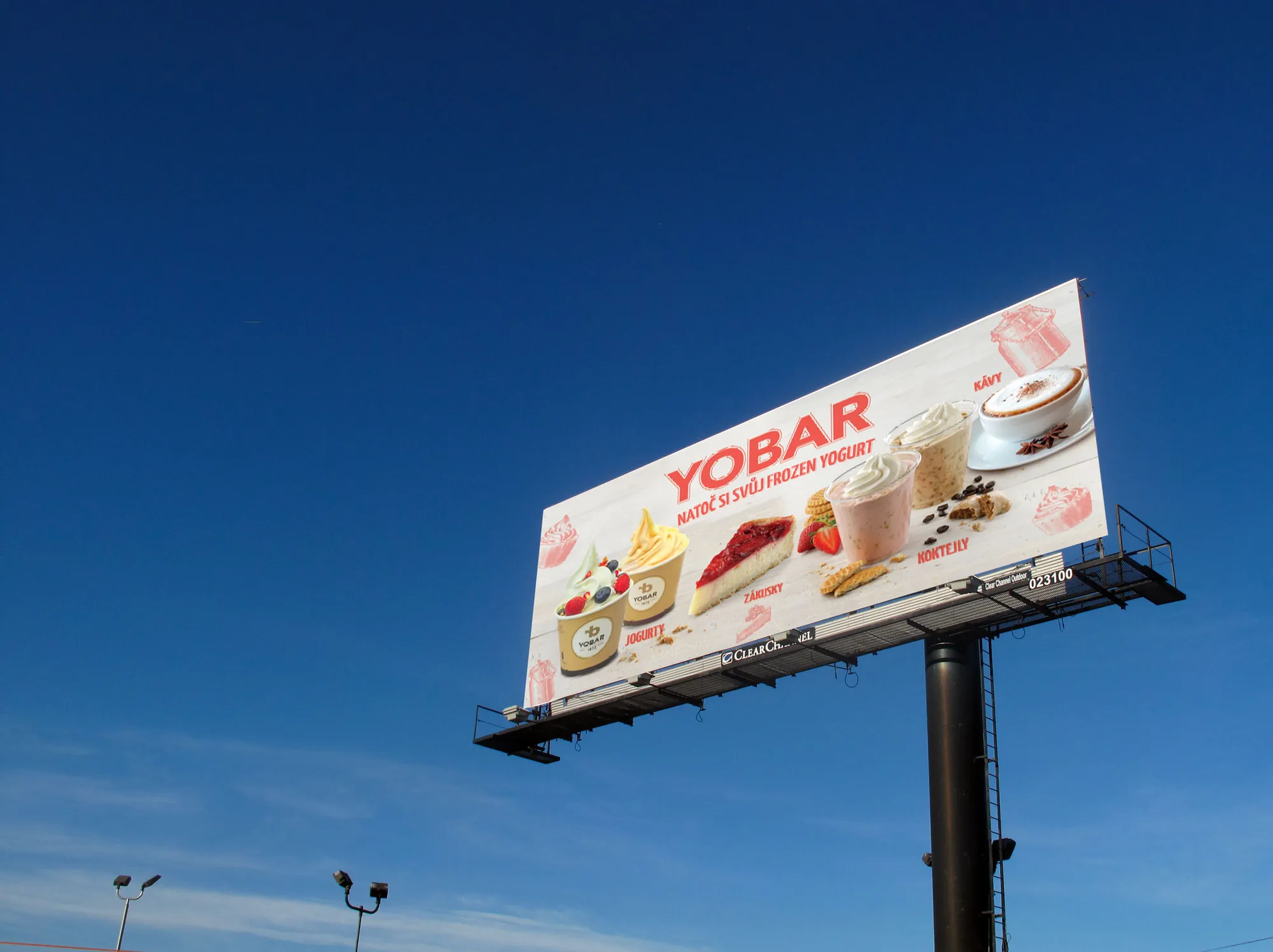
A brand does not age because people tire of it, but because it stops carrying what you ask of it. Three reasons that justify a rebrand, and four questions that decide between a refresh and a rebuild.
Quality isn't the first question, the process is. Briefing, approvals, reverse-charge invoicing, file rights, and the three places where it genuinely goes wrong.
The price gets you the enquiry, it doesn't keep the work. What German and Austrian clients actually look for in a Czech studio — and when hiring one is the wrong call.
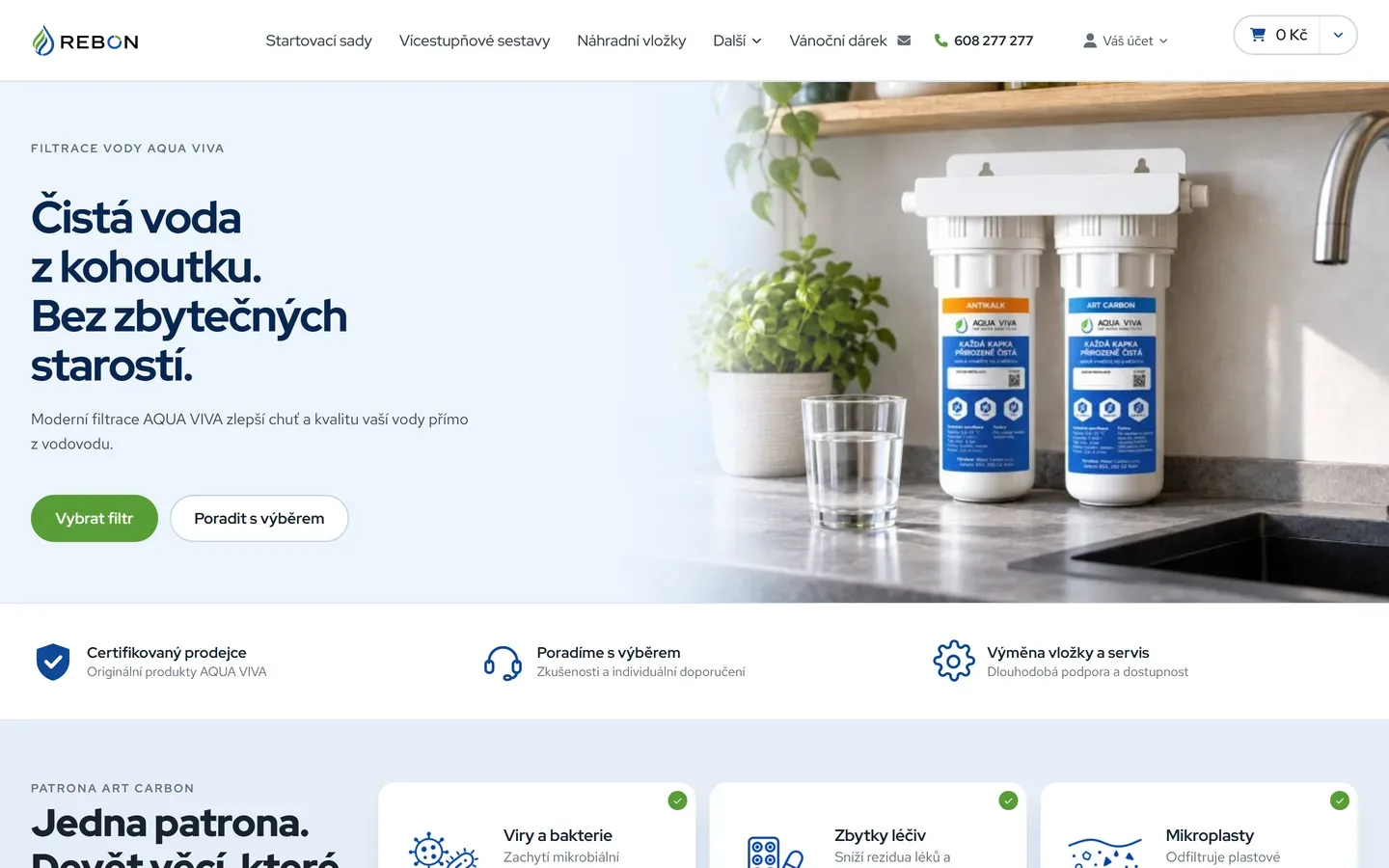
How to design a brand and a store for domestic water filtration so a layperson grasps what they are buying. From the logotype through product visuals to the design of the whole site.
A good-looking page can reach a machine empty. Four design decisions that cause it, and why none of this means building boring websites.
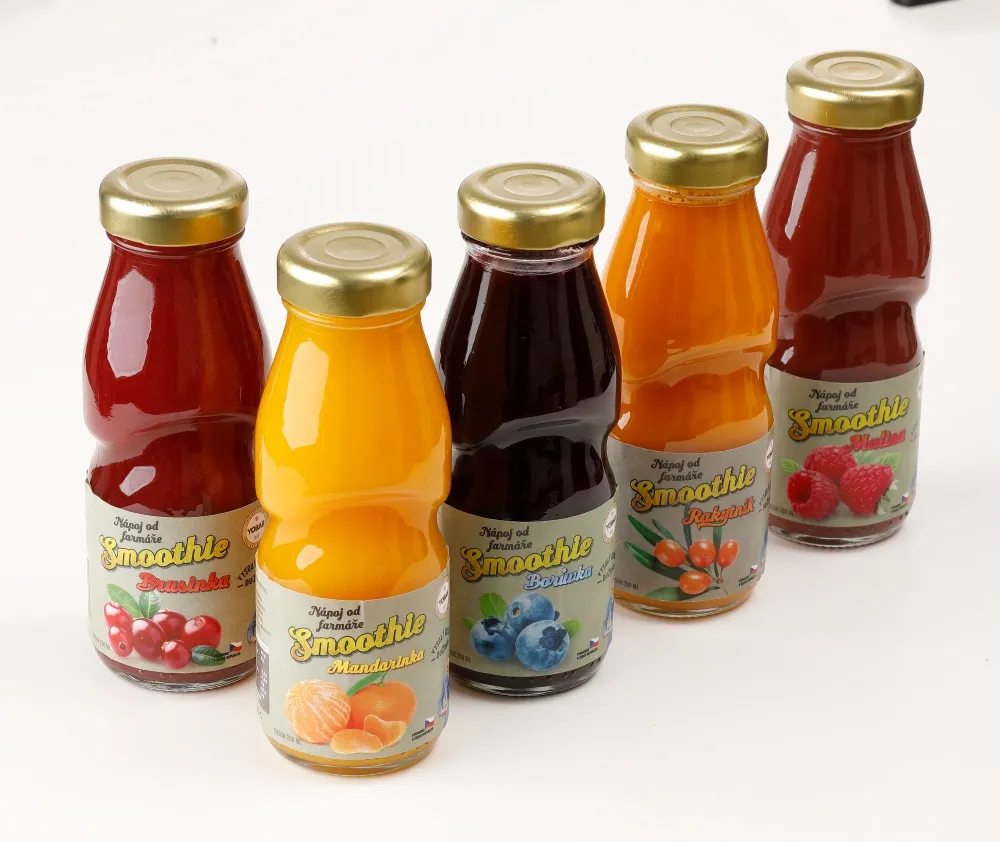
Since 23 October, Performance Max can pull up to ten videos from your social accounts and site into your ads. This is not an ad setting, it is a question of running a brand.
In an expansion the brand usually breaks before the campaigns do. What has to stay the same in every country, what has to bend, and why it is decided at the first pack rather than at the fifth market.
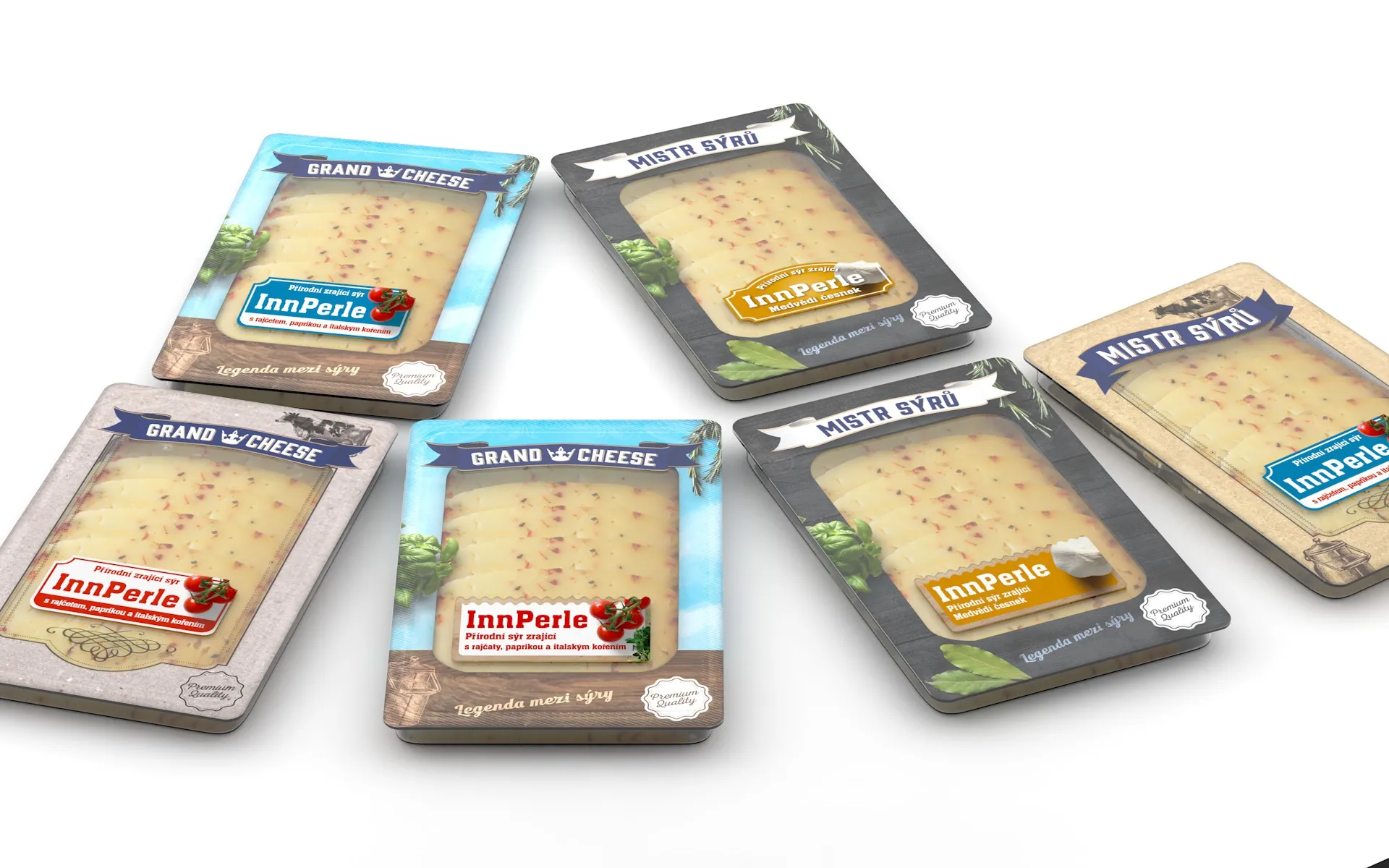
Most people now see packaging first as a small square in a comparison listing, not on a shelf. What survives being shrunk, what is lost, and why it has to be decided before anything is drawn.
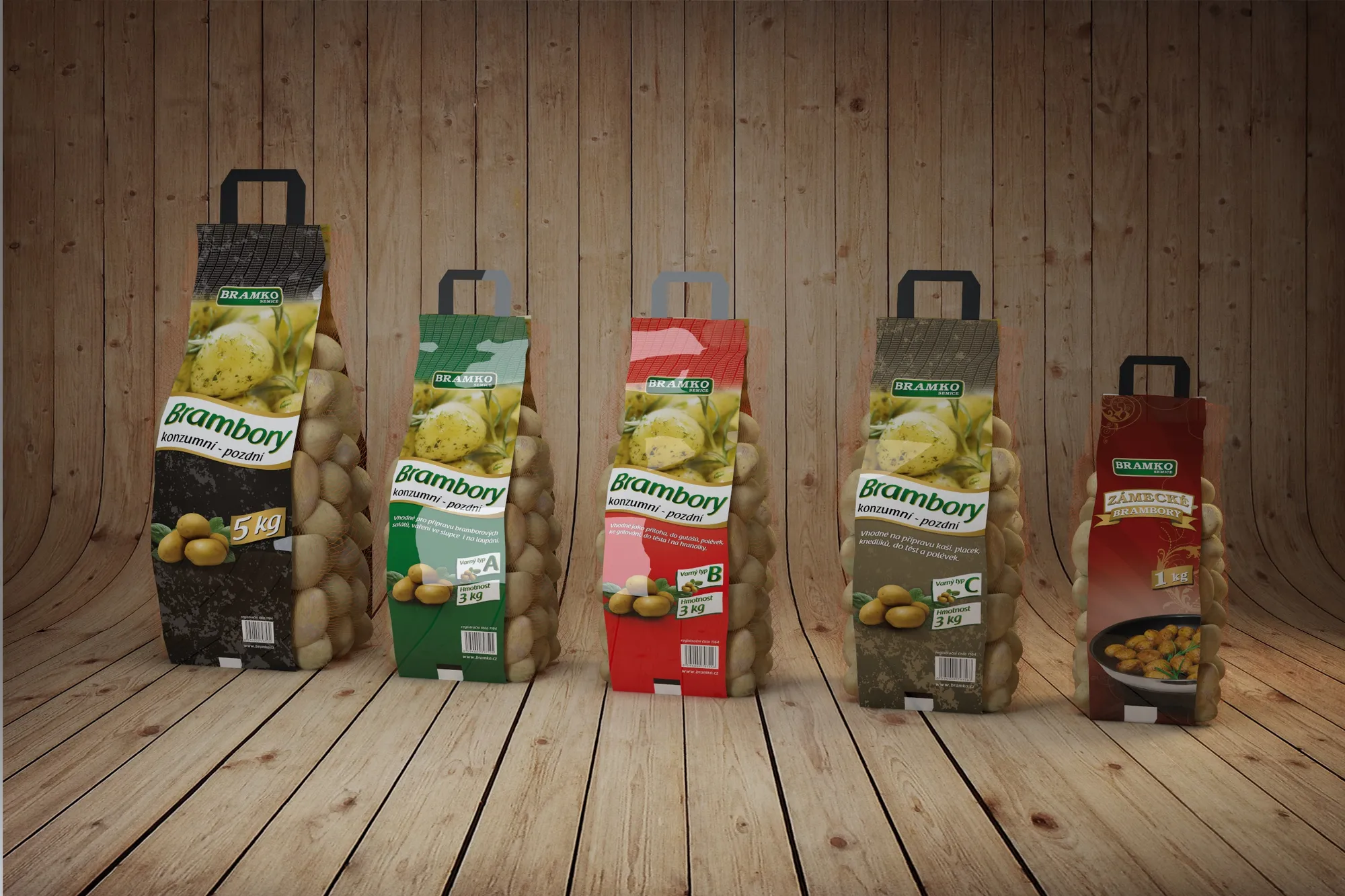
When anyone can generate a smooth visual, smoothness stops meaning care. What that does to brands, where we let AI into our work and where a hand still touches paper.
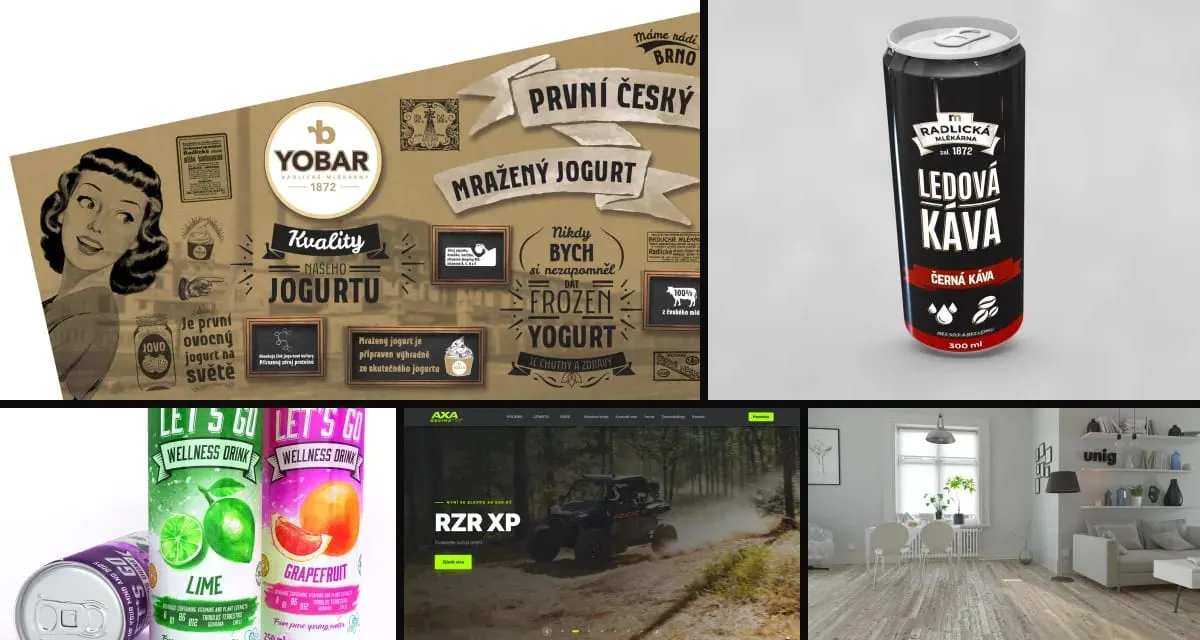
Why a small senior studio with modern tools and a network of specialists often delivers more than a big agency, why clients keep returning, and when the agency wins.
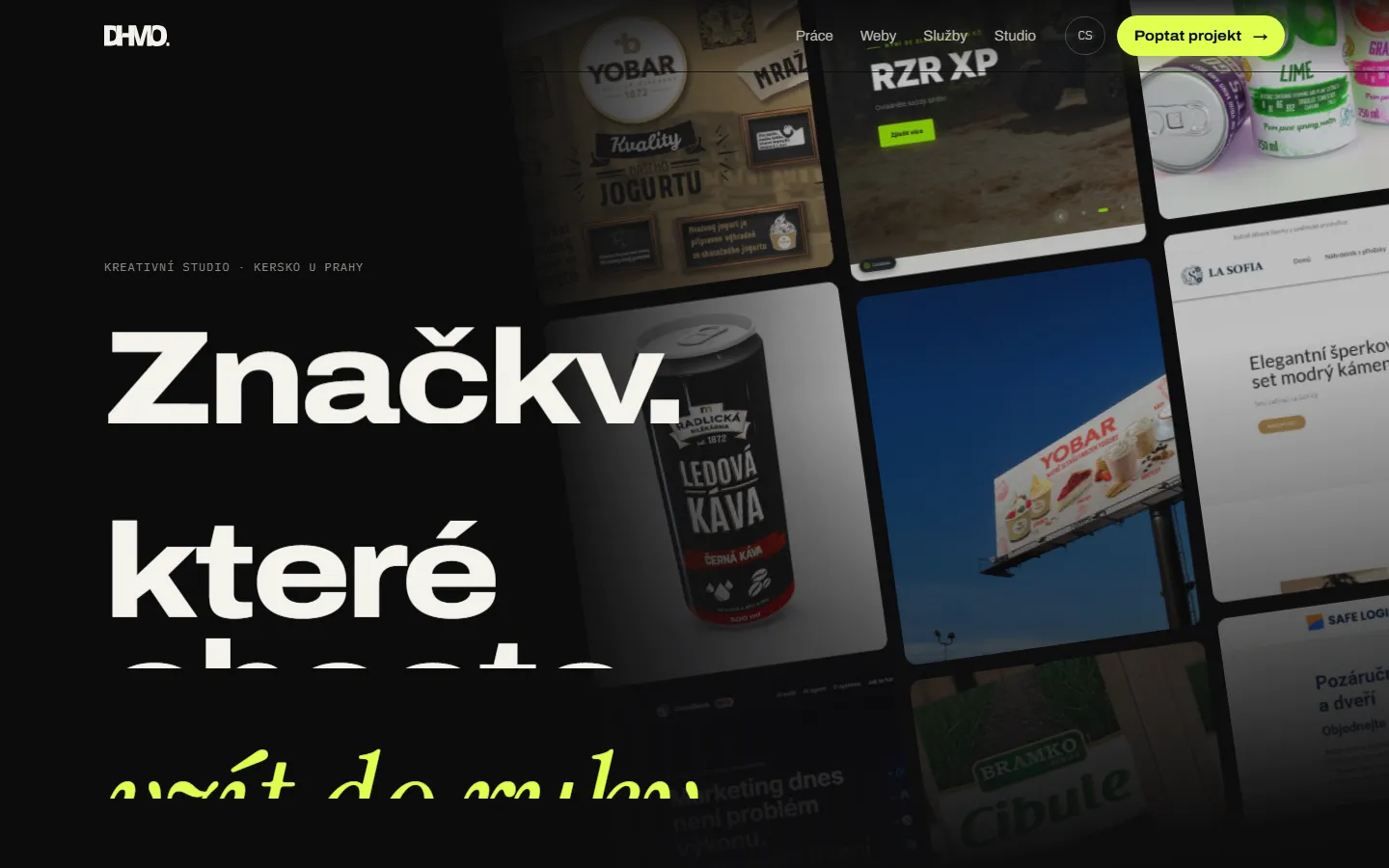
This site was built in eight languages in two days. Here is how our studio works with AI agents, what we built around them, and why humans make every call.
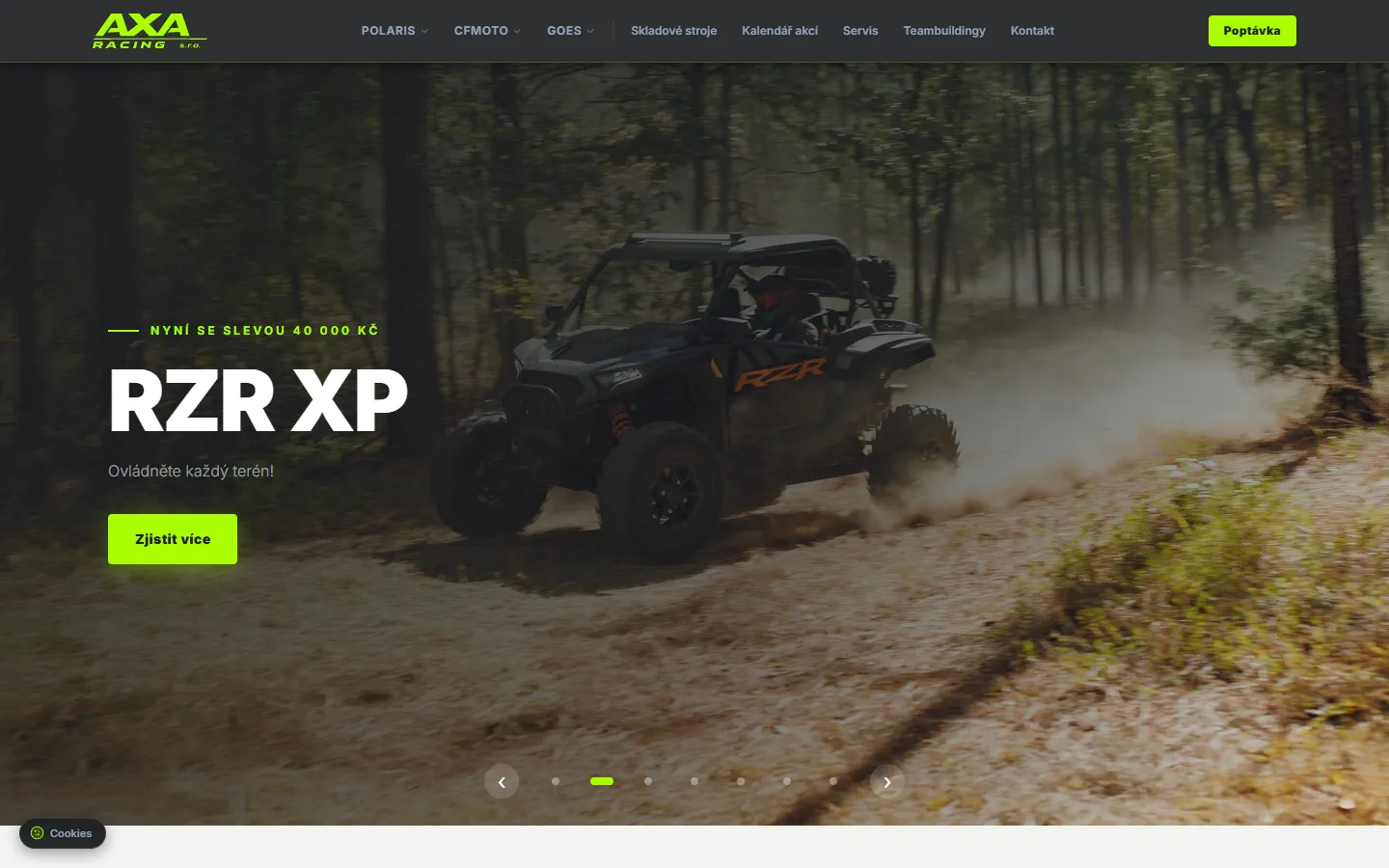
How we merged data from Polaris, CFMOTO and GOES into one dealer website with its own admin. Built on Next.js, first version live in three days.