A game instead of a banner: what it is good for
Why people start a game voluntarily, what it is good for in a campaign, and how long a simple game takes to build today.
Opinion · How we work
 Daniel Hauser

Every year before the holidays we make a game and send it to family, friends and business partners instead of a card. It is not a move anyone approved in a meeting — it started because we got tired of sending an image with a logo and the words “Season’s greetings”. After a few editions, though, we know a few things worth knowing if you are considering something similar.
A corporate Christmas card has one problem: the recipient opens it, reads it in three seconds and closes it. There is nothing to do with it. You cannot win at it, you cannot show it to a colleague and you certainly cannot forward it. As a gesture it is fine; as anything else it is empty space.
A game has exactly the opposite properties. It opens just as fast, but then people sit with it. You can lose at it and try again. You can play it with your children. And above all you can talk about it — a sentence nobody has ever said about a Christmas card.
We do not make the game in order to get something out of it. It collects no email addresses, offers no services and leads to no form. If somebody finishes it and closes it, that is fine: it did exactly what it was made for.
Paradoxically that is why it works. If a form were waiting at the end, it would stop being a game and become an advert, and people see through that before they reach the second level. A game keeps attention only when there is nothing else at stake.
The first edition taught us one thing: without a leaderboard, people play once. With one, they come back. The moment you see that somebody you know has overtaken you, it is hard to let it go — and that moment is exactly why people talk about the game.
There is another side to it. As soon as something is at stake, somebody tries to send a score without playing. That is why ours is calculated on the server: the browser sends only the list of taps and the server replays the whole run itself. This is not technical pride, it is the condition for the leaderboard being fun for more than a day.
We have never put the game into an ad. We send the link to people we know and from there it travels on its own: through group chats, among colleagues and on Facebook, where people post their scores and needle each other. Some of the players are people we do not know and never contacted.
It works because what gets shared is the experience, not the link. Nobody sends “look what studio DHMO made”. They send “I got two hundred and fourteen, try to beat me”. Our name underneath is a side effect — and a stronger one than it would be as the main event.
This year it is Christmas Flight: Santa’s sleigh flies between candy canes, collects presents and dodges the snowballs thrown by Grumbles. Twenty-five levels across five winter worlds, five boss fights and an endless mode played for a place on the leaderboard.
It runs at game.dhmo.cz in eight languages, on a phone or a computer, with no install and no sign-up. Anyone can play it — that is the whole point.
It does, and it is made in exactly the same way. The only difference is that your characters go in instead of ours, and that measurement, and sometimes a contest, usually get added. How that goes and what such a game is built on is described on our page about advergames.
One note on timing: if the game is meant to run at Christmas, November is already late. The best moment to decide is September.
Write a few lines about what you need. I will get back to you personally.
Discuss a project
Why people start a game voluntarily, what it is good for in a campaign, and how long a simple game takes to build today.

A rebrand has two phases and each rewards a different supplier. The decisions want a small senior team, the rollout across hundreds of carriers wants capacity. How to tell who can do which.
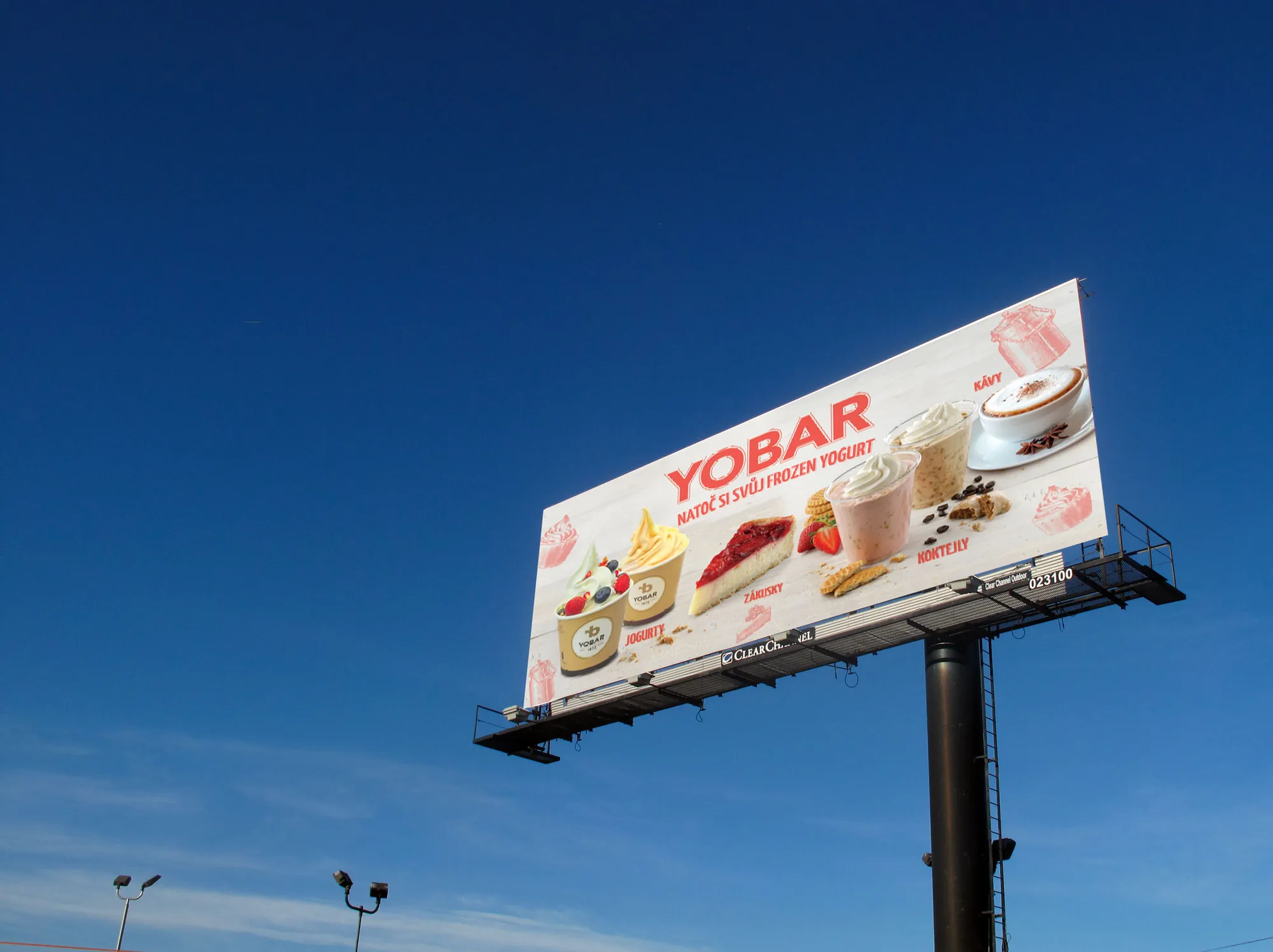
A brand does not age because people tire of it, but because it stops carrying what you ask of it. Three reasons that justify a rebrand, and four questions that decide between a refresh and a rebuild.

Quality isn't the first question, the process is. Briefing, approvals, reverse-charge invoicing, file rights, and the three places where it genuinely goes wrong.
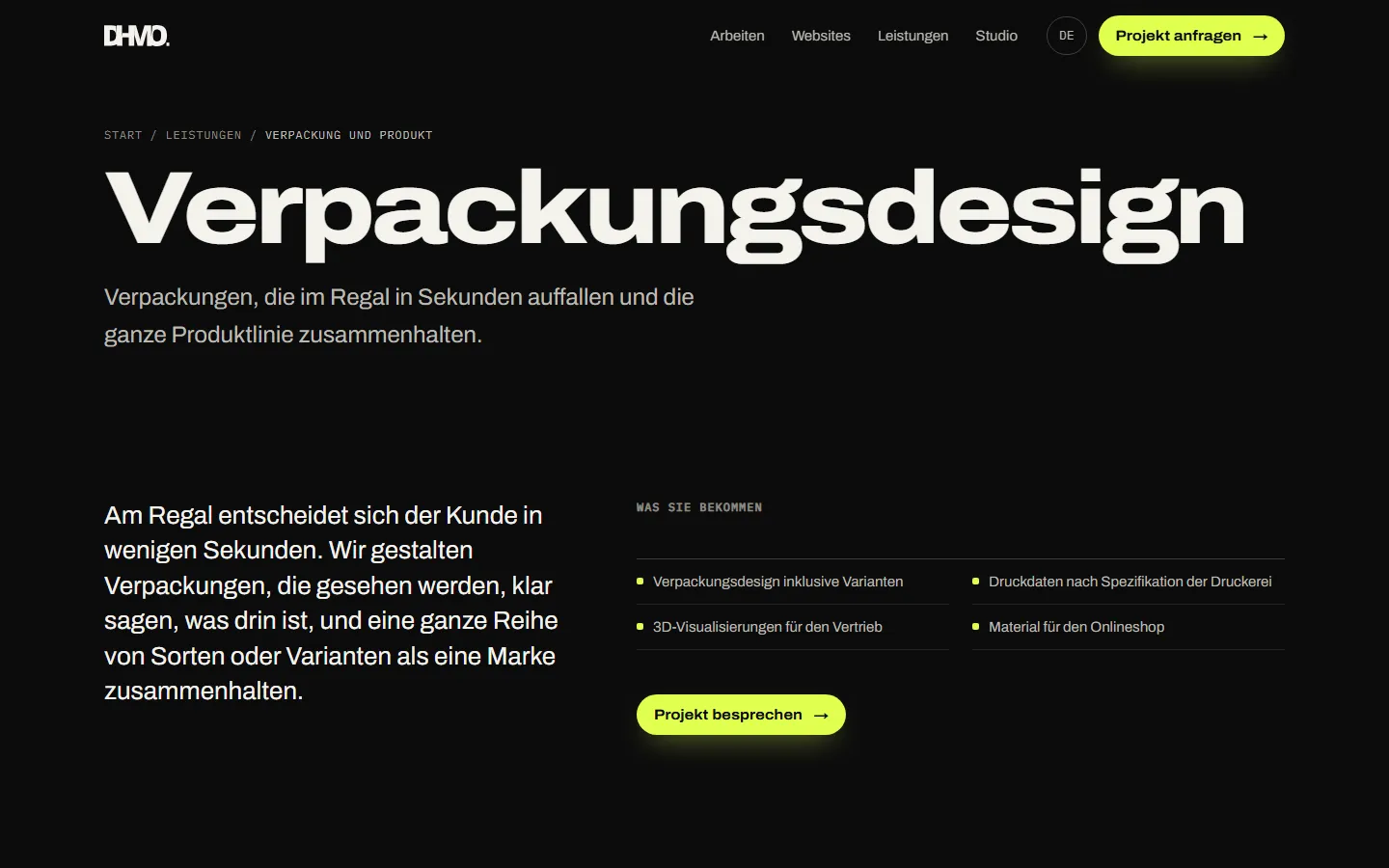
The price gets you the enquiry, it doesn't keep the work. What German and Austrian clients actually look for in a Czech studio — and when hiring one is the wrong call.
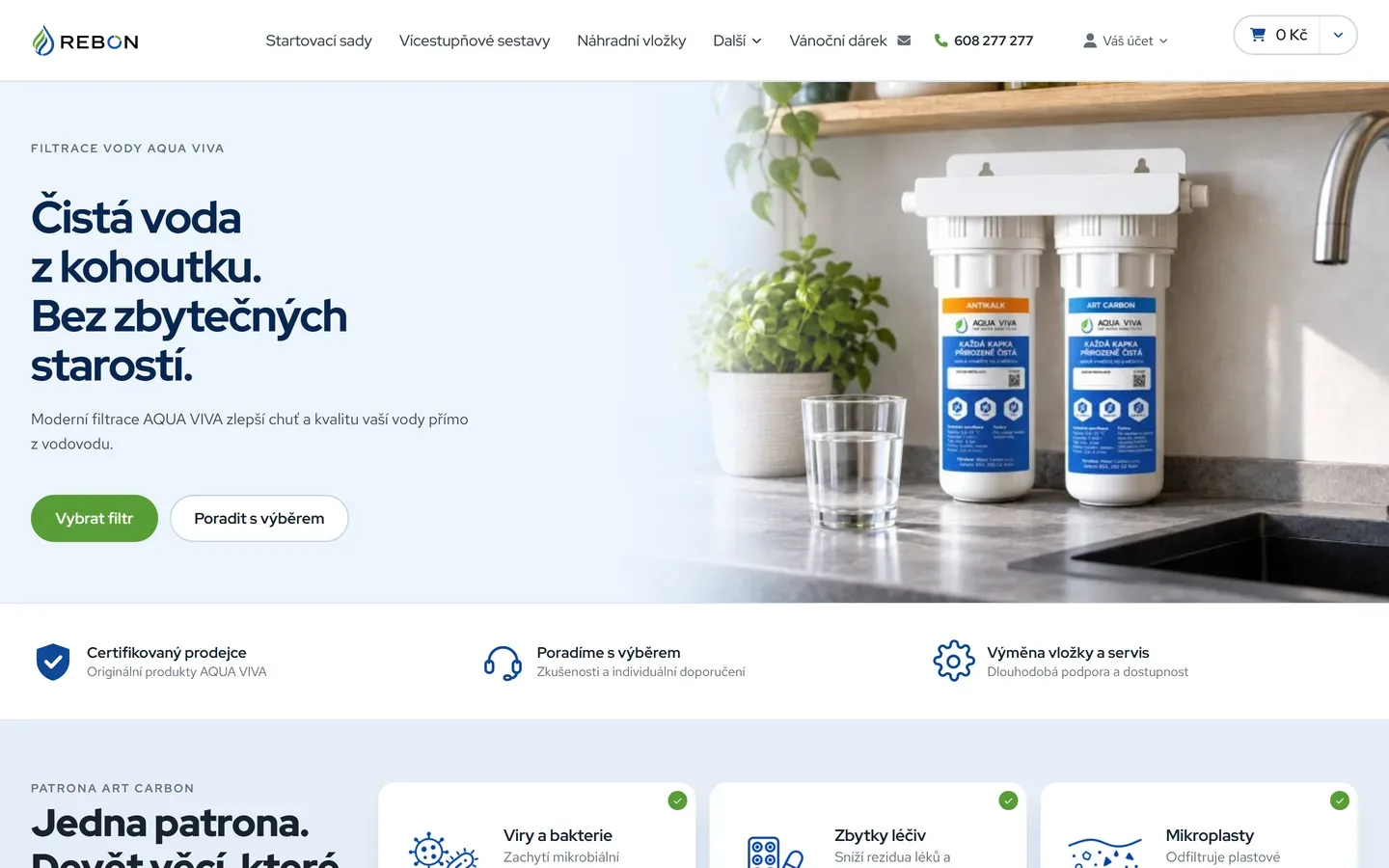
How to design a brand and a store for domestic water filtration so a layperson grasps what they are buying. From the logotype through product visuals to the design of the whole site.
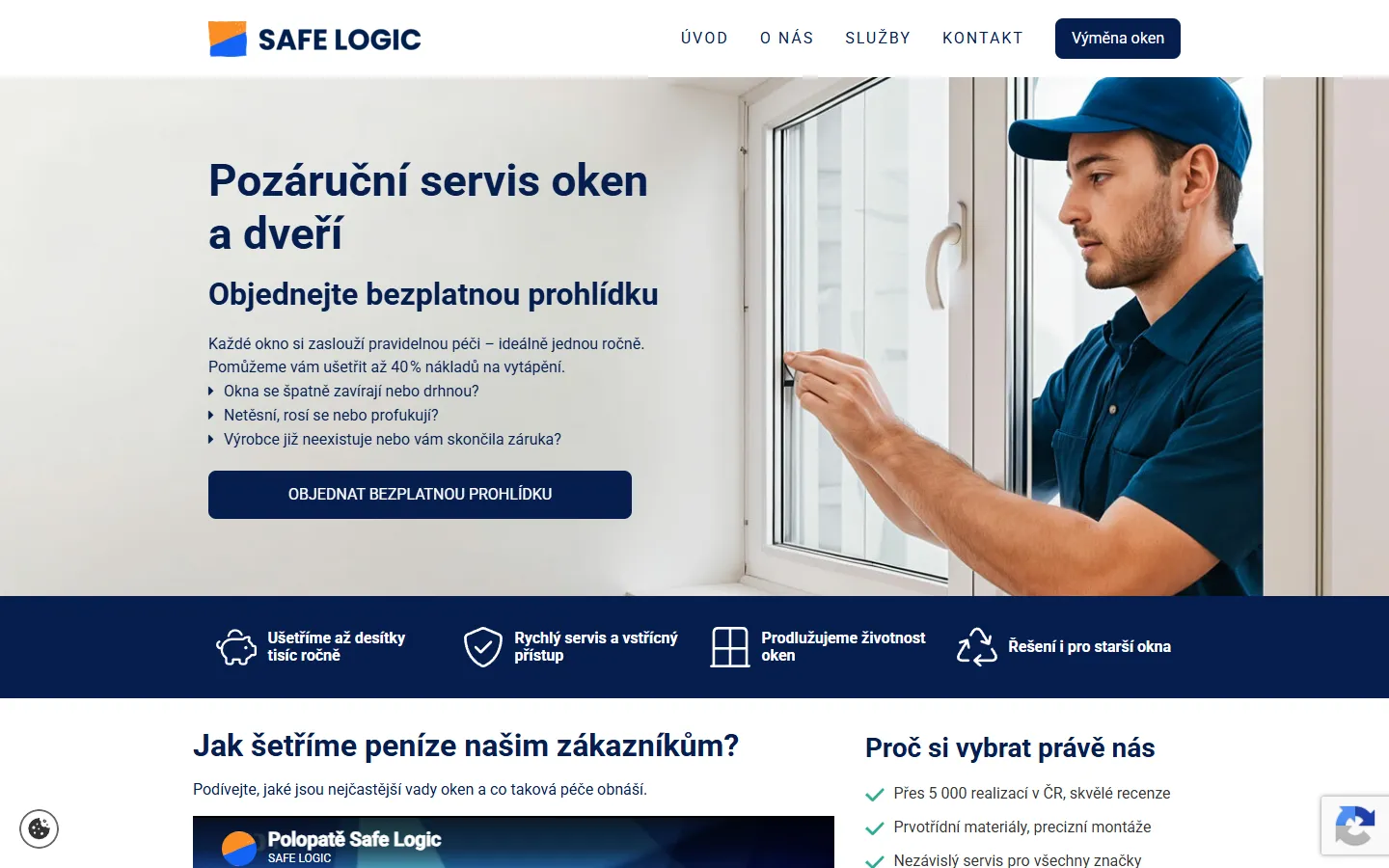
A good-looking page can reach a machine empty. Four design decisions that cause it, and why none of this means building boring websites.
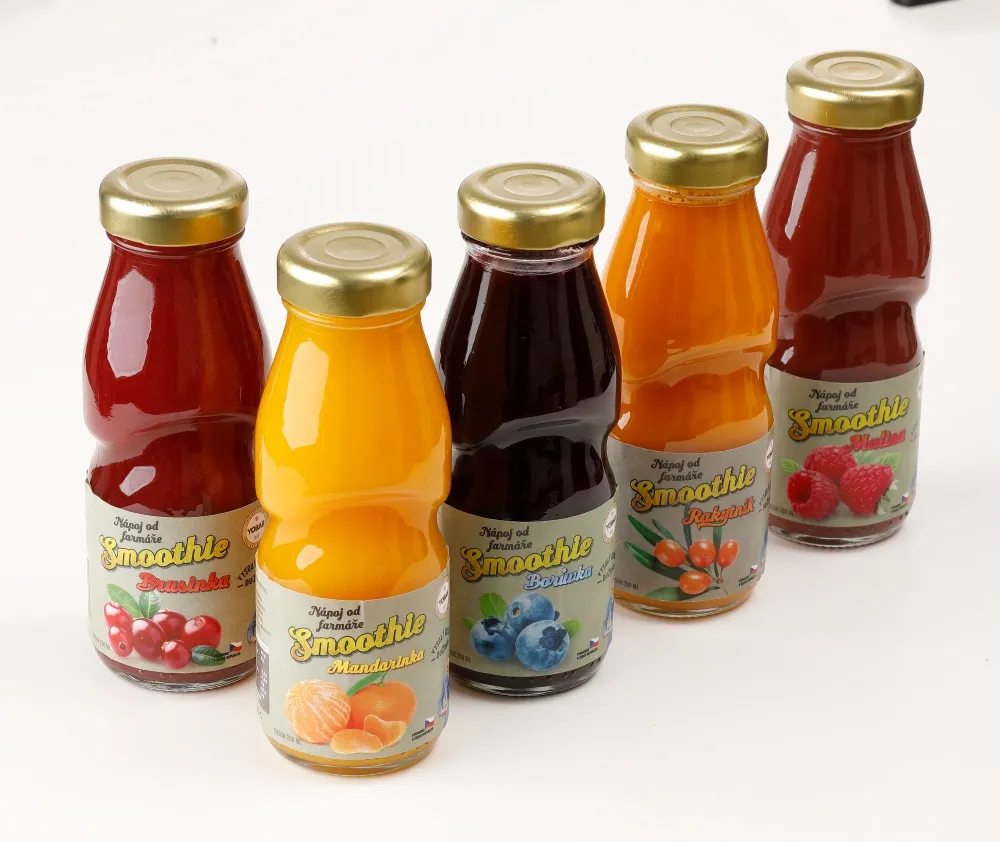
Since 23 October, Performance Max can pull up to ten videos from your social accounts and site into your ads. This is not an ad setting, it is a question of running a brand.
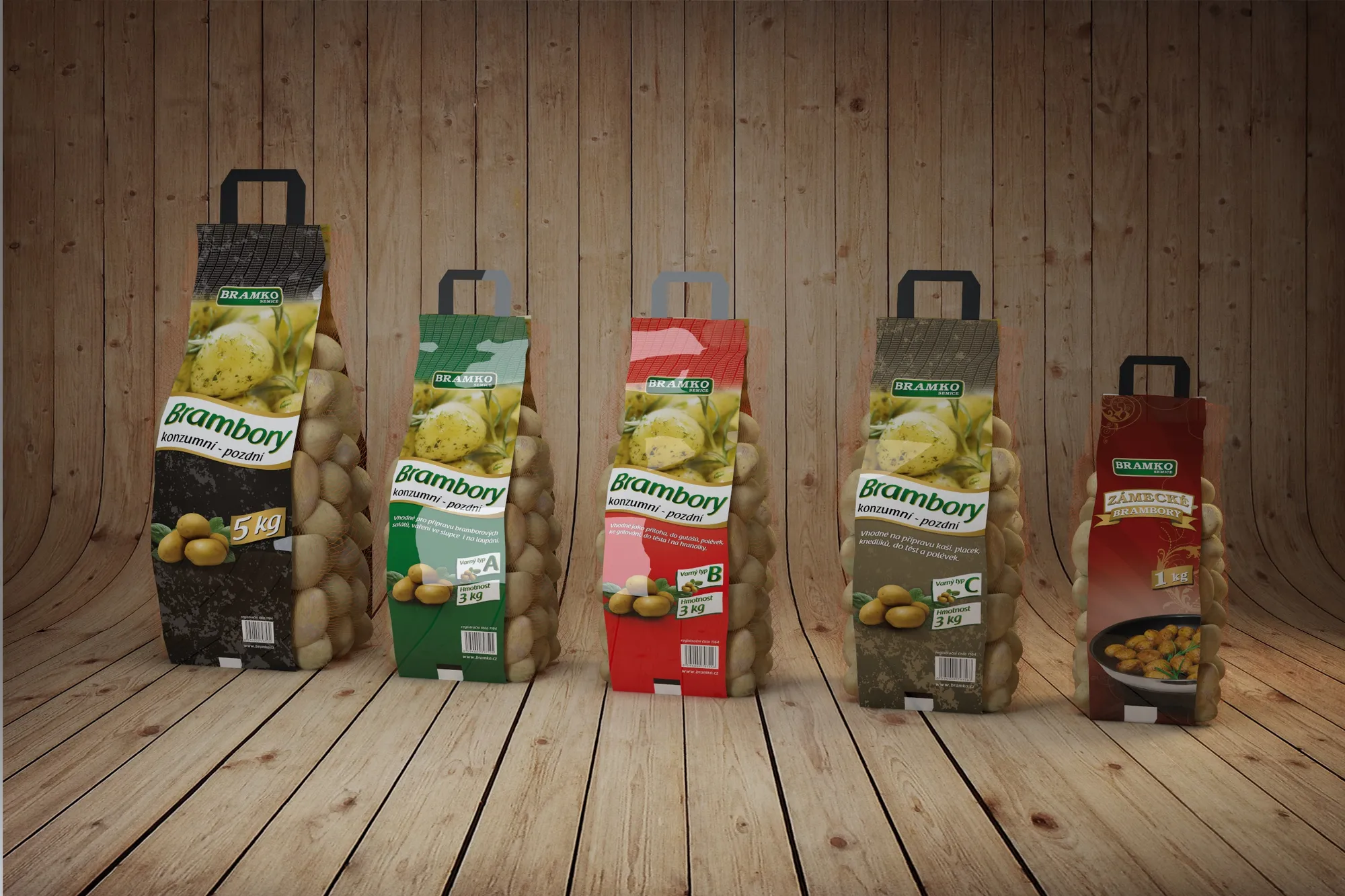
In an expansion the brand usually breaks before the campaigns do. What has to stay the same in every country, what has to bend, and why it is decided at the first pack rather than at the fifth market.
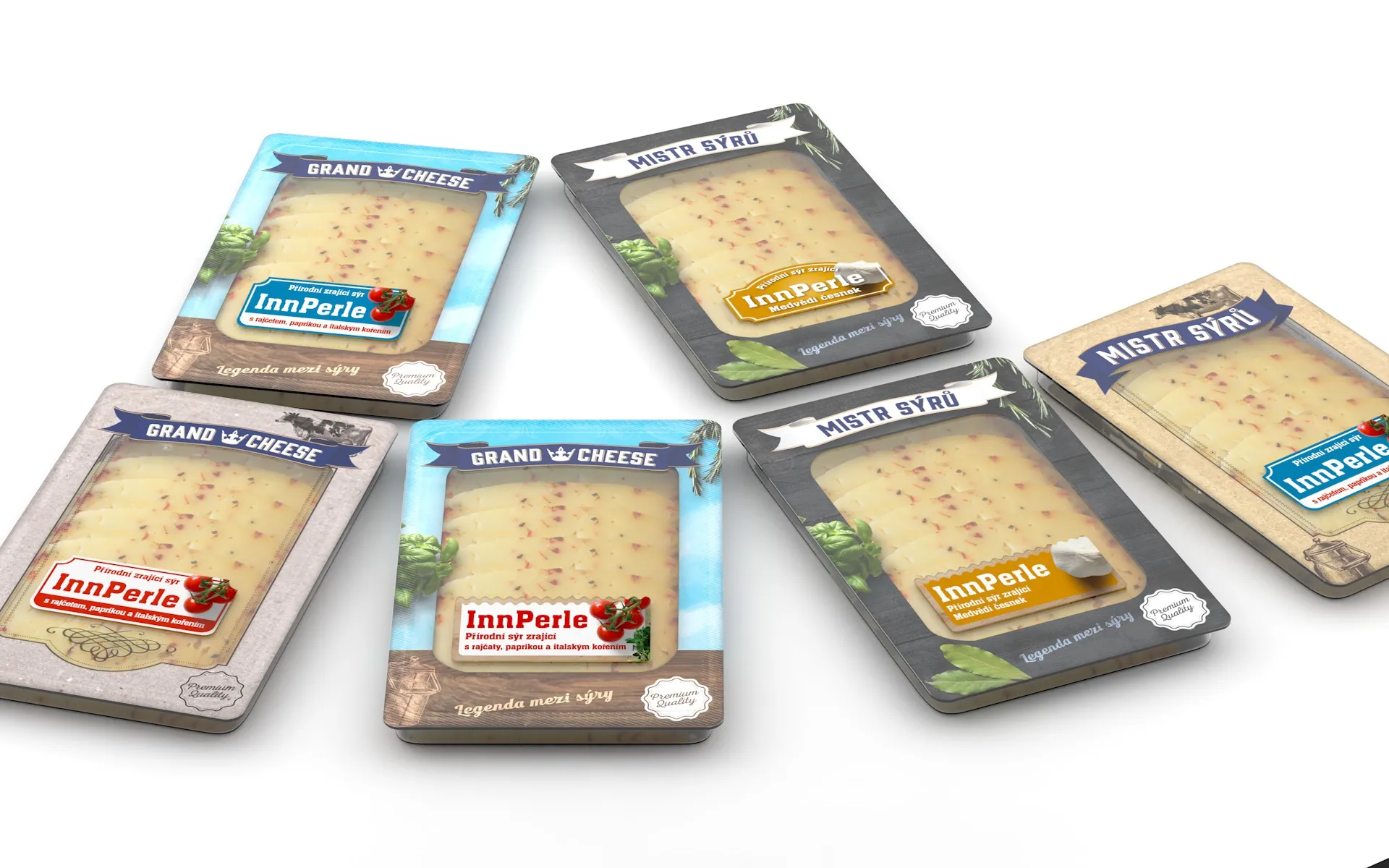
Most people now see packaging first as a small square in a comparison listing, not on a shelf. What survives being shrunk, what is lost, and why it has to be decided before anything is drawn.
When anyone can generate a smooth visual, smoothness stops meaning care. What that does to brands, where we let AI into our work and where a hand still touches paper.
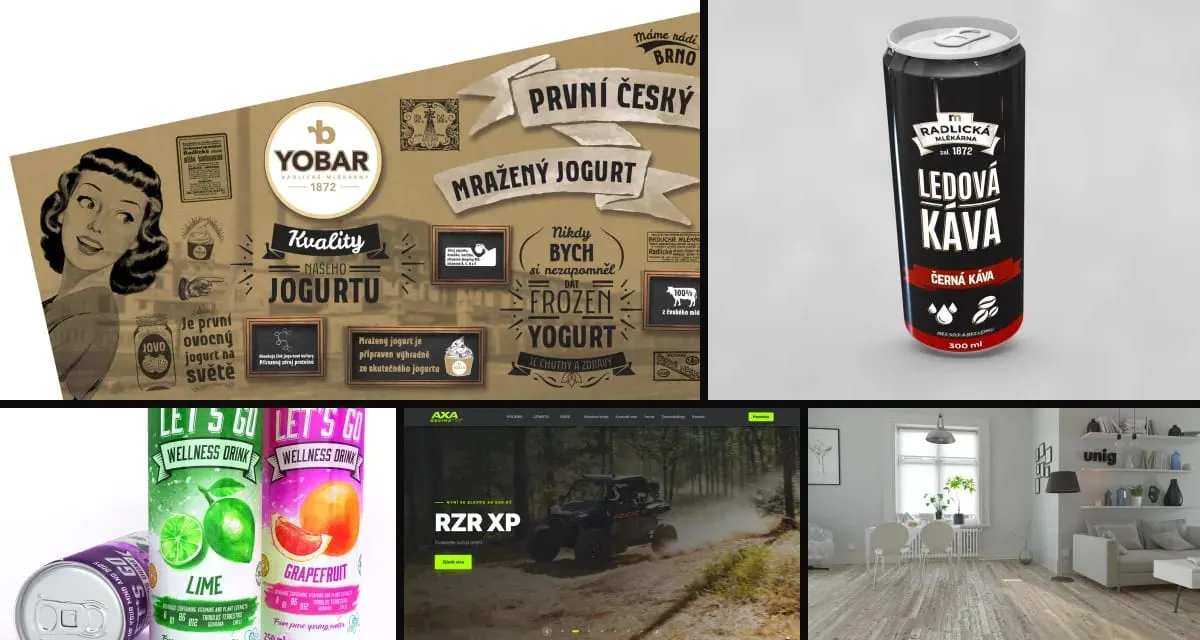
Why a small senior studio with modern tools and a network of specialists often delivers more than a big agency, why clients keep returning, and when the agency wins.
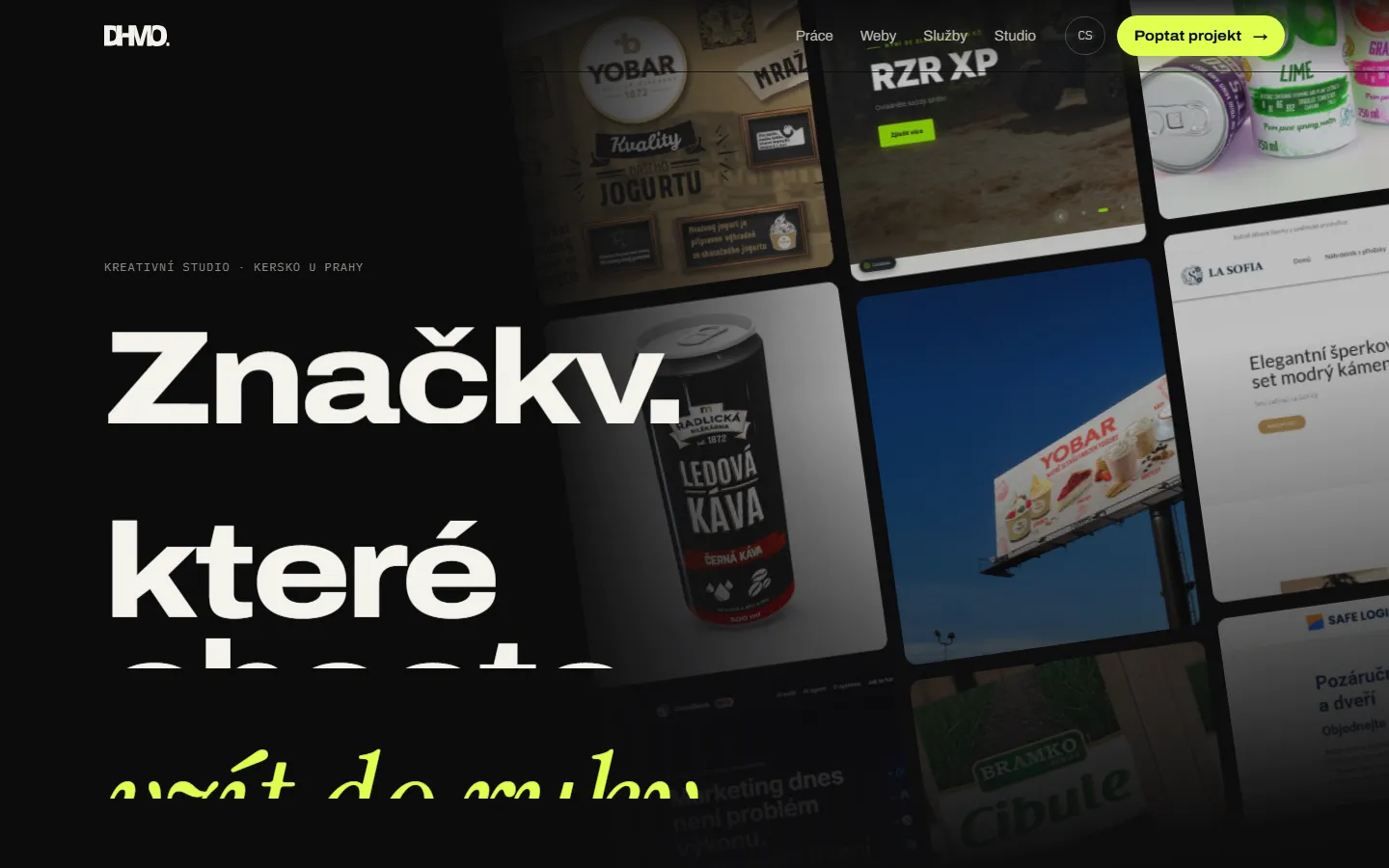
This site was built in eight languages in two days. Here is how our studio works with AI agents, what we built around them, and why humans make every call.
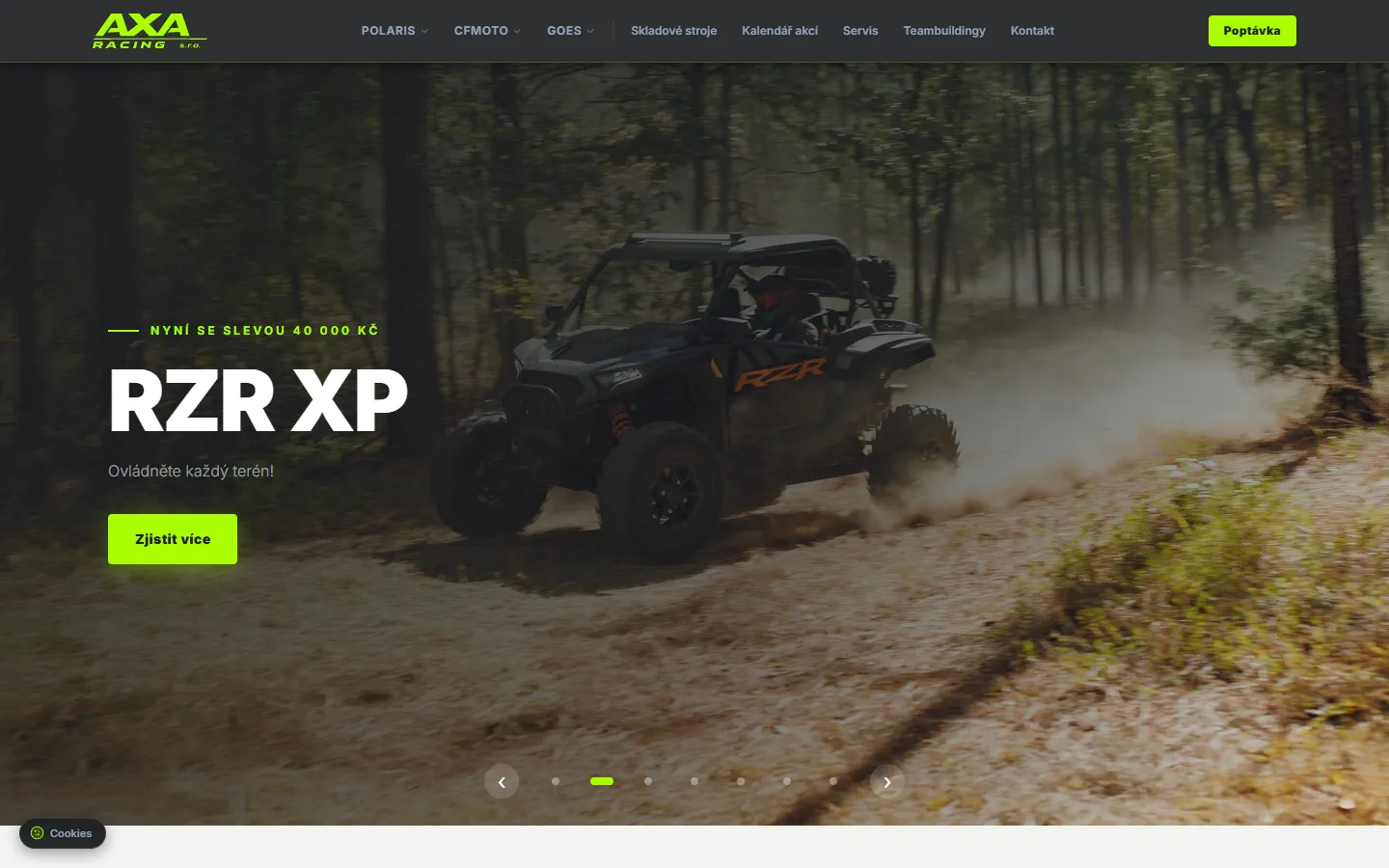
How we merged data from Polaris, CFMOTO and GOES into one dealer website with its own admin. Built on Next.js, first version live in three days.